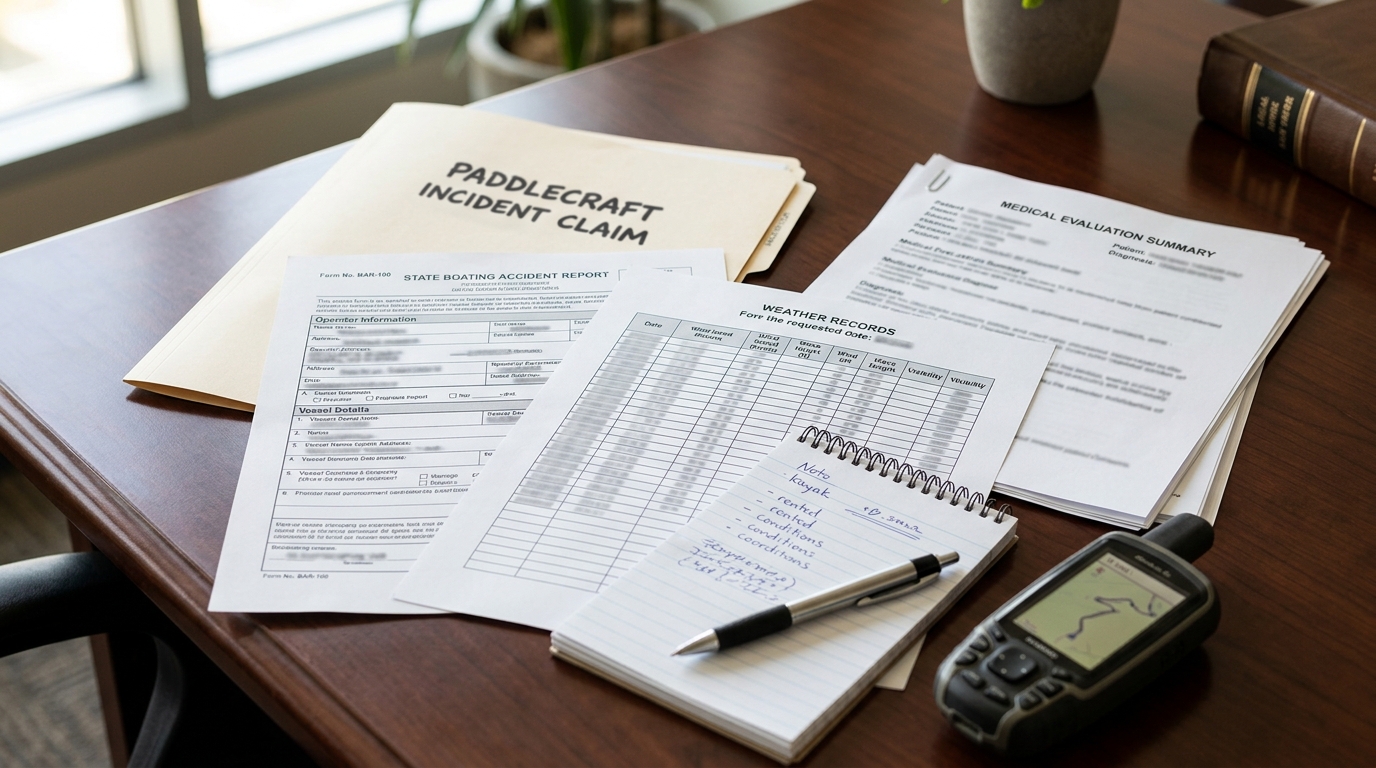
Kayak, Canoe, and Paddleboard Accident Claims in New York
Kayak, canoe, and paddleboard accident claims in New York may involve motorboat collisions, unsafe wake, poor lookout, rental company issues, public launch hazards, marina conditions, missing safety equipment, weather changes, drowning injuries, or defective gear. These claims can be difficult because paddlecraft sit low in the water and may be harder for motorized boaters to see. People reviewing their options after a paddling injury may use a boating accident lawyer Long Island resource to understand how liability, evidence, insurance, and damages are generally evaluated.
Quick Answer
A kayak, canoe, or paddleboard accident claim usually depends on what caused the injury, who controlled the boat or location, whether another vessel contributed, whether safety equipment was available, whether the accident was reported, and what evidence connects the incident to the injury. Important evidence may include photos, videos, witness statements, vessel registration, operator information, rental documents, launch or marina records, weather data, GPS information, life jacket evidence, medical records, and insurance documents.
Key Takeaways
- Kayaks, canoes, and paddleboards can be involved in claims against motorboat operators, rental companies, marinas, public entities, product manufacturers, or other responsible parties.
- New York State Parks states that kayaks, canoes, and stand-up paddleboards sit low in the water and may be difficult for motorized boaters to see. (New York State Parks)
- New York State Parks also states that motorized and non-motorized vessels, including kayaks, canoes, and paddleboards, must have one life jacket for each person on board. (New York State Parks)
- New York Navigation Law § 45 requires vessel operators to navigate carefully and prudently and not operate at a speed greater than reasonable and prudent under existing conditions and hazards.
- New York Navigation Law § 47-B requires written reporting within five days after certain vessel accidents involving death, injury, disappearance under water, or property damage above the statutory threshold.
- Public docks, public launches, state parks, municipal marinas, or government-controlled waterfront areas may involve shorter notice rules.
- Evidence should be preserved quickly because water conditions, wake, weather, rental records, and witness memories can change fast.
Why Paddlecraft Accident Claims Are Different
Kayaks, canoes, and paddleboards are smaller, lighter, and less protected than motorboats. A paddler may be injured by direct collision, unsafe wake, sudden weather, boat ramp conditions, defective rental equipment, or a motorboat operator who fails to keep proper lookout.
Paddlecraft accident claims may involve:
- A motorboat striking a kayak or canoe
- A large wake capsizing a paddleboard
- A rental kayak taking on water
- A paddler falling near a dock or launch ramp
- A canoe overturning in strong current
- A paddleboarder injured by a personal watercraft
- A paddler hit near a marina or channel
- A child injured during a guided paddling activity
- A defective paddle, seat, leash, or flotation device
- A drowning or near-drowning after capsizing
These claims often require review of both boating evidence and ordinary personal injury evidence. The question is not only whether an injury happened on the water. The claim must also show what caused the injury and who may be responsible.
Common Kayak, Canoe, and Paddleboard Accident Scenarios
The accident scenario affects liability, evidence, insurance coverage, and deadlines. A collision with a motorboat may require operator and vessel records. A rental equipment failure may require inspection logs. A fall at a public launch may require property records and notice rules.
Common scenarios include:
- Motorboat collision with a kayak
- Personal watercraft collision with a paddleboarder
- Unsafe wake causing a canoe to capsize
- Kayak struck near a dock or marina
- Paddleboarder injured near a boat channel
- Rental kayak or canoe defect
- Poor instruction during guided paddling
- Lack of life jacket access
- Strong current or weather-related capsizing
- Launch ramp slip or fall
- Dock injury while entering or exiting paddlecraft
- Drowning or near-drowning after capsizing
- Defective paddlecraft, paddle, leash, or flotation device
The strongest claims usually identify the exact mechanism of injury instead of describing the incident only as a “boating accident.”
Motorboat Collisions With Paddlecraft
Motorboat collisions can cause serious injuries because kayaks, canoes, and paddleboards offer little protection. A motorboat operator may fail to see a paddler, travel too fast for conditions, ignore congestion, or operate too close to shore, docks, swimmers, or smaller vessels.
Operator conduct may involve:
- Poor lookout
- Excessive speed
- Distracted operation
- Failure to yield
- Unsafe passing
- Operating too close to paddlecraft
- Ignoring no-wake areas
- Boating while impaired
- Failure to slow in a channel
- Failure to use proper lights at night
New York Navigation Law § 45 requires careful and prudent operation and limits operation at speeds greater than reasonable and prudent under existing conditions and hazards. (FindLaw) A boat accident attorney guide may help readers understand why vessel operation, lookout, speed, and ownership evidence often matter after a watercraft collision.
Unsafe Wake Injuries
Wake injuries are common in paddlecraft claims because small vessels can be destabilized by large waves created by faster or heavier boats. A paddler may capsize, fall, strike the paddlecraft, hit rocks or a dock, or be thrown into the path of another vessel.
Wake-related claims may involve:
- A motorboat passing too closely
- A vessel speeding near a dock or launch
- A large wake hitting a paddleboard from the side
- A canoe capsizing in a narrow channel
- A kayak swamped by repeated wake
- A personal watercraft riding too close
- A passenger boat creating dangerous waves near paddlecraft
Wake evidence can disappear almost immediately. Witness statements, GPS data, passenger accounts, photos, videos, nearby vessel information, and no-wake signage may be especially important.
Visibility Problems and Low-Profile Vessels
Visibility is a major issue in kayak, canoe, and paddleboard claims. New York State Parks notes that some paddlecraft, particularly kayaks, sit very low in the water and can be difficult for motorized boaters to see. (New York State Parks)
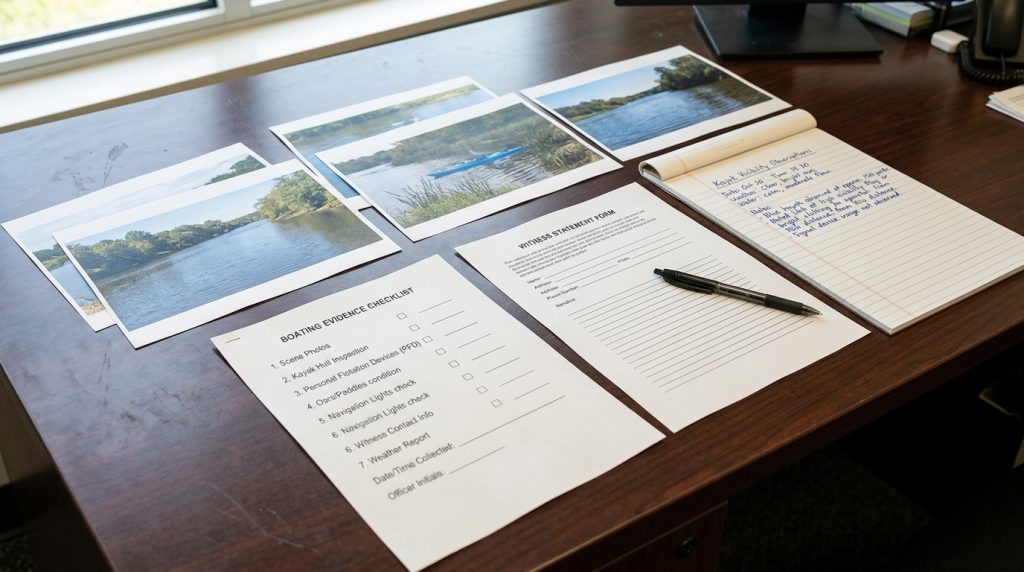
Visibility-related evidence may include:
- Time of day
- Weather and glare
- Vessel color
- Clothing color
- Lighting
- Reflective gear
- Flags or visibility aids
- Waterway congestion
- Distance from shore
- Operator lookout
- Photos of the area
A motorboat operator may argue that the paddler was hard to see. That does not automatically defeat a claim. The full evidence may still show that the operator was speeding, distracted, too close, or failing to keep a proper lookout.
Rental Kayak, Canoe, and Paddleboard Accidents
Rental paddlecraft claims may involve the renter, rental company, marina, guide service, or equipment owner. A rental company is not automatically responsible for every paddling injury, but its conduct may matter when instruction, equipment condition, weather decisions, or safety gear are questioned.
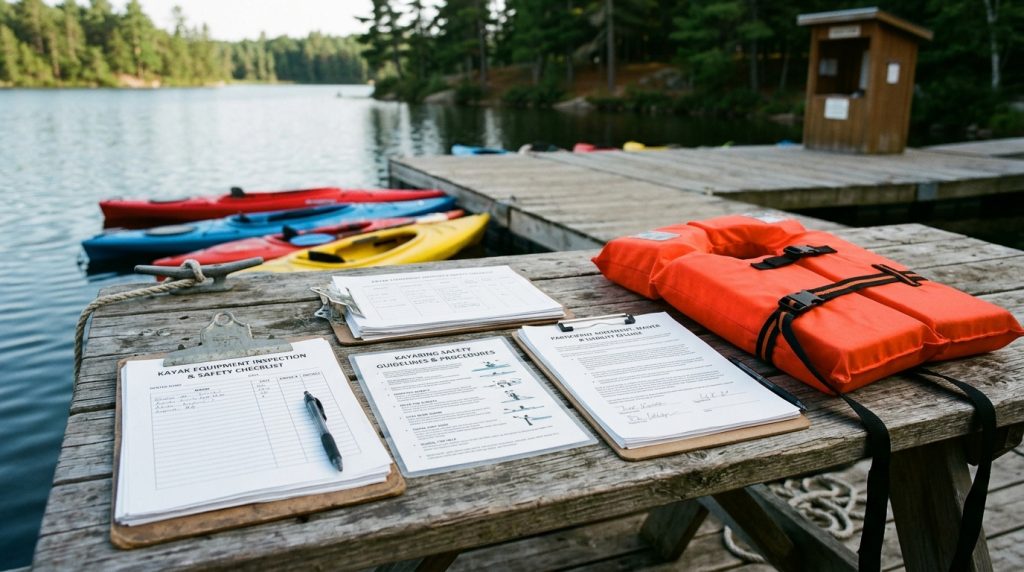
Rental-related issues may include:
- Defective kayak or canoe
- Cracked hull or leaking vessel
- Broken paddle
- Missing or poorly fitted life jacket
- Poor launch instructions
- Lack of warning about currents or restricted areas
- Renting during unsafe weather
- Failing to explain return routes
- Not checking renter experience
- Poor supervision during guided trips
- Missing rental records
Important rental evidence may include agreements, waivers, safety checklists, equipment inspection forms, maintenance logs, employee statements, weather policies, and incident reports.
Guided Tour and Group Paddling Claims
Some paddlecraft injuries happen during guided kayaking, canoeing, or paddleboarding outings. These claims may involve commercial operators, camp programs, recreational groups, event organizers, or instructors.
Guided tour questions may include:
- Was the group properly supervised?
- Were participants given safety instructions?
- Were life jackets provided and fitted correctly?
- Was the route appropriate for the group’s skill level?
- Were weather and current conditions checked?
- Were children or inexperienced paddlers supervised?
- Did the guide respond properly after capsizing?
- Were emergency procedures explained?
- Did the company keep participant and incident records?
A guided trip claim may require review of company policies, staff training, safety briefings, participant lists, waiver language, emergency response records, and insurance coverage.
Public Launch, Dock, and Marina Hazards
Not every paddlecraft accident happens on open water. Many injuries happen while launching, landing, carrying equipment, stepping onto a dock, exiting a kayak, or walking on a slippery ramp.
Launch and dock hazards may include:
- Slippery ramps
- Broken dock boards
- Poor lighting
- Missing handrails
- Algae-covered surfaces
- Loose ropes or cables
- Unstable floating docks
- Unmarked edges
- Defective ladders
- Crowded launch areas
- Fuel or oil residue
- Poor drainage
- Unsafe parking-to-launch access
A premises liability attorney resource may help explain how property control, maintenance records, inspection practices, and notice evidence can affect claims involving docks, ramps, marinas, and waterfront access points.
Life Jackets and Safety Equipment
Life jacket evidence can be important in paddlecraft claims, especially when capsizing, drowning, near-drowning, cold water, or delayed rescue is involved. New York State Parks states that every motorized or non-motorized vessel, including kayaks, canoes, and paddleboards, must have one life jacket for each person on board. (New York State Parks)
Safety equipment issues may include:
- No life jacket available
- Life jacket not properly sized
- Damaged flotation device
- Life jacket stored out of reach
- No whistle or sound-producing device
- Missing light or visibility aid
- Defective paddlecraft leash
- Defective paddle
- No emergency communication plan
- Poor rental company safety instructions
A life jacket issue may not cause the original incident, but it can affect injury severity and survival.
Cold Water, Weather, and Current Conditions
Weather and water conditions can change quickly. Paddlecraft are more exposed to wind, current, waves, cold water, and poor visibility than larger vessels. Weather may become a liability issue when an operator, rental company, guide, or event organizer ignored unsafe conditions.
Important weather and water questions include:
- Was bad weather forecast before launch?
- Did wind or current exceed safe conditions?
- Was there poor visibility?
- Were paddlers warned about cold water?
- Did the rental company check the forecast?
- Did a guide continue despite worsening weather?
- Was the paddler directed into a risky route?
- Did motorboat wake combine with wind or current?
- Were launch or return conditions unsafe?
Useful evidence may include weather reports, marine forecasts, phone screenshots, witness statements, GPS data, route maps, photos, and employee records.
Drowning and Near-Drowning Risks
Paddlecraft accidents can involve drowning or near-drowning when a person capsizes, becomes trapped, cannot re-enter the vessel, is separated from the paddlecraft, or is unable to reach shore.
Drowning-related issues may include:
- Missing life jacket
- Poorly fitted life jacket
- Cold water shock
- Strong current
- Delayed rescue
- Operator or guide failure to respond
- Motorboat wake causing capsizing
- Entrapment or equipment failure
- Lack of emergency communication
- Poor supervision of children or beginners
Medical records, emergency response records, witness statements, life jacket evidence, and weather data may be central in these claims.
Defective Paddlecraft or Equipment
Some injuries involve defective or poorly maintained equipment. A kayak may leak, a seat may break, a canoe may be unstable, a paddle may fail, or a paddleboard leash may malfunction.
Equipment-related issues may include:
- Cracked hull
- Leaking kayak
- Unstable canoe
- Defective paddleboard
- Broken seat or foot brace
- Defective paddle
- Defective leash
- Defective life jacket
- Poor repair work
- Missing warning labels
- Improper rental maintenance
If a defect is suspected, the equipment should be preserved before repair or replacement. Photos, rental records, maintenance logs, prior complaints, manufacturer information, and expert inspection may be important.
Injuries Commonly Seen in Paddlecraft Accidents
Kayak, canoe, and paddleboard injuries can range from minor to severe. Serious cases may involve impact with a vessel, rocks, dock structures, propellers, or the water itself.
Common injuries may include:
- Concussions
- Traumatic brain injuries
- Neck injuries
- Back injuries
- Shoulder injuries
- Wrist injuries
- Knee injuries
- Fractures
- Lacerations
- Hypothermia
- Drowning-related injuries
- Near-drowning complications
- Internal injuries
- Soft tissue injuries
- Psychological trauma
- Wrongful death in severe cases
Medical records help show when symptoms began, what injuries were diagnosed, what treatment was needed, and how the injury affected work or daily activity.
Accident Reporting After a Paddlecraft Accident
Accident reporting may be required even when the injured person was in a non-motorized vessel. New York Navigation Law § 47-B applies to vessel accidents and specifically includes examples such as rowboats and canoes. It requires reporting within five days after certain accidents involving death, injury, disappearance under water, or property damage above the statutory threshold. (FindLaw)
A boating accident report may help document:
- Date and time
- Waterway or launch location
- Vessel information
- Operator information
- Owner information
- Injury details
- Property damage
- Weather and water conditions
- Witnesses
- Law enforcement involvement
- Emergency response details
A report does not prove the entire claim, but it can create an important official record.
Evidence That Can Strengthen a Paddlecraft Claim
Paddlecraft accident claims depend heavily on early evidence preservation. Water conditions change, wake disappears, equipment may be returned, and witnesses may leave the area.
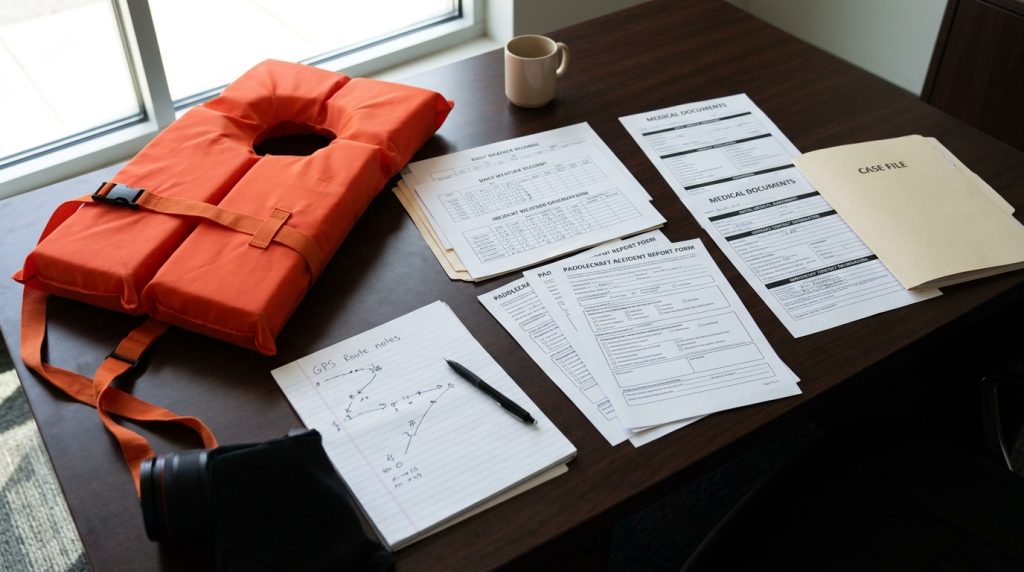
Helpful evidence may include:
- Boating accident report
- Photos of the paddlecraft
- Photos of the motorboat or other vessel
- Photos of dock, launch, or marina conditions
- Photos of life jackets and safety equipment
- Passenger or paddler statements
- Witness names and contact details
- Vessel operator information
- Vessel owner information
- Registration records
- Rental agreements
- Guided tour records
- Maintenance logs
- GPS or route data
- Phone photos and videos
- Weather and water condition records
- Medical records
- Insurance documents
- Expert inspection findings
For broader documentation planning, readers may review how evidence for personal injury claims can help connect accident facts, injury, responsible parties, and damages.
Insurance Coverage in Paddlecraft Claims
Insurance coverage can vary depending on who caused the accident and where it happened. A motorboat collision may involve boat insurance. A rental issue may involve rental company coverage. A dock fall may involve marina or property insurance. A defective paddlecraft may involve product liability coverage.
Potential insurance sources may include:
- Boat insurance
- Vessel owner policy
- Homeowner’s insurance
- Umbrella coverage
- Rental company insurance
- Marina liability insurance
- Guided tour or commercial operator coverage
- Product liability coverage
- Public entity coverage in limited cases
Insurance companies may dispute responsibility, comparative fault, coverage exclusions, rental waiver language, injury severity, or whether the claim involves boating, premises, product, or public property issues.
Comparative Fault and Blame Arguments
Defendants and insurers may argue that the injured paddler contributed to the accident. They may claim the paddler failed to wear a life jacket, entered unsafe water, ignored weather, paddled in a restricted area, failed to use lights, crossed a channel unsafely, or was difficult to see.
These arguments do not automatically defeat a claim. Important follow-up questions include:
- Was the motorboat operator keeping proper lookout?
- Was the operator traveling too fast?
- Did unsafe wake contribute?
- Were no-wake rules ignored?
- Was the paddler in a lawful area?
- Did a rental company provide proper instructions?
- Were life jackets provided and fitted correctly?
- Did weather change after launch?
- Were visibility aids recommended or required?
- Did a dock or launch hazard contribute?
Comparative fault should be evaluated based on the full evidence, not assumptions.
Public Entity Issues
Some paddlecraft accidents involve public launches, state parks, municipal docks, public marinas, public waterfront areas, or government-controlled waterways. If a public corporation or government-related entity may be involved, shorter notice rules may apply.
New York General Municipal Law § 50-E generally requires notice of claim within 90 days when notice is required for certain tort claims against public corporations. (Justia Law)
Public entity evidence may include:
- Exact location
- Public agency name
- Facility signage
- Launch or dock maintenance records
- Prior complaints
- Incident reports
- Photos of the hazard
- Witness statements
- Surveillance footage
- Weather and lighting conditions
The exact accident location should be documented early because public entity deadlines may arrive quickly.
Deadlines for Kayak, Canoe, and Paddleboard Claims
Deadlines depend on the claim type and responsible parties. Many negligence-based New York personal injury claims have a three-year limitations period, but wrongful death, product liability, public entity, insurance notice, accident reporting, and evidence preservation issues may involve different or shorter timelines.
Practical deadlines may arrive much sooner than the lawsuit deadline. Rental records may be archived, surveillance footage may be overwritten, GPS data may be deleted, equipment may be repaired, and witnesses may become difficult to find.
Common Mistakes After a Paddlecraft Accident
Some mistakes can make a kayak, canoe, or paddleboard claim harder to prove.
Common mistakes include:
- Not getting medical care promptly
- Not reporting a qualifying boating accident
- Not identifying the motorboat operator or vessel owner
- Not collecting witness information
- Not photographing the paddlecraft and safety equipment
- Not preserving the damaged kayak, canoe, board, paddle, or life jacket
- Not documenting weather, wake, current, or visibility
- Not saving rental or guided tour records
- Not requesting launch or marina surveillance footage
- Giving broad insurance statements before facts are clear
- Accepting a quick settlement before injuries are fully known
- Missing public entity notice deadlines
A strong claim usually depends on prompt medical care, accident reporting, preserved equipment, witness statements, photos, and organized records.
When Legal Guidance May Be Useful
Legal guidance may be useful when a paddlecraft accident involves a motorboat collision, unsafe wake, serious injury, drowning risk, rental equipment, a guided tour, a public launch, defective gear, disputed fault, or unclear insurance coverage.
A paddlecraft claim may require review of vessel operation, rental agreements, launch records, life jacket evidence, weather conditions, witness statements, medical records, insurance policies, public entity rules, and deadlines.
People researching local support may review a Farmingdale legal office location when looking for Long Island boating accident claim information. Publicly available personal injury case results may provide general context, although every claim depends on its own facts, evidence, injuries, insurance coverage, and applicable law.
FAQs About Kayak, Canoe, and Paddleboard Accident Claims
Can a motorboat operator be liable for hitting a kayak or paddleboard?
Yes. A motorboat operator may be liable if poor lookout, unsafe speed, distracted operation, impaired boating, failure to yield, or unsafe wake caused or contributed to a collision or injury. Evidence such as witness statements, GPS data, photos, and accident reports may matter.
What evidence is important after a paddlecraft accident?
Important evidence may include photos, videos, witness statements, operator and owner information, vessel registration, rental records, life jacket evidence, weather records, GPS data, medical records, insurance letters, and boating accident reports when required.
Are life jackets required for kayaks and paddleboards in New York?
New York State Parks states that motorized and non-motorized vessels, including kayaks, canoes, and paddleboards, must have one life jacket for each person on board. Life jacket use and availability may be important evidence after capsizing or drowning-related injuries. (New York State Parks)
Can a rental company be responsible for a kayak or paddleboard injury?
A rental company may be reviewed if defective equipment, poor instruction, missing safety gear, unsafe weather decisions, lack of warnings, or poor supervision contributed to the injury. Rental agreements, inspection records, staff statements, and safety checklists can be important.
How long does someone have to file a paddlecraft accident claim in New York?
The deadline depends on the claim type and responsible party. Many negligence claims have a three-year limitations period, but public entity claims, wrongful death claims, product claims, accident reporting, insurance notice, and evidence preservation may involve different or shorter timelines.
Final Thoughts
Kayak, canoe, and paddleboard accident claims in New York require careful review because the injury may involve motorboat operation, unsafe wake, rental equipment, poor visibility, public launches, dock hazards, weather, or missing safety equipment. The strongest claims usually depend on prompt medical care, photos, witness information, accident reports, preserved gear, rental records, weather evidence, medical documentation, insurance review, and a clear timeline showing how the paddling injury happened.