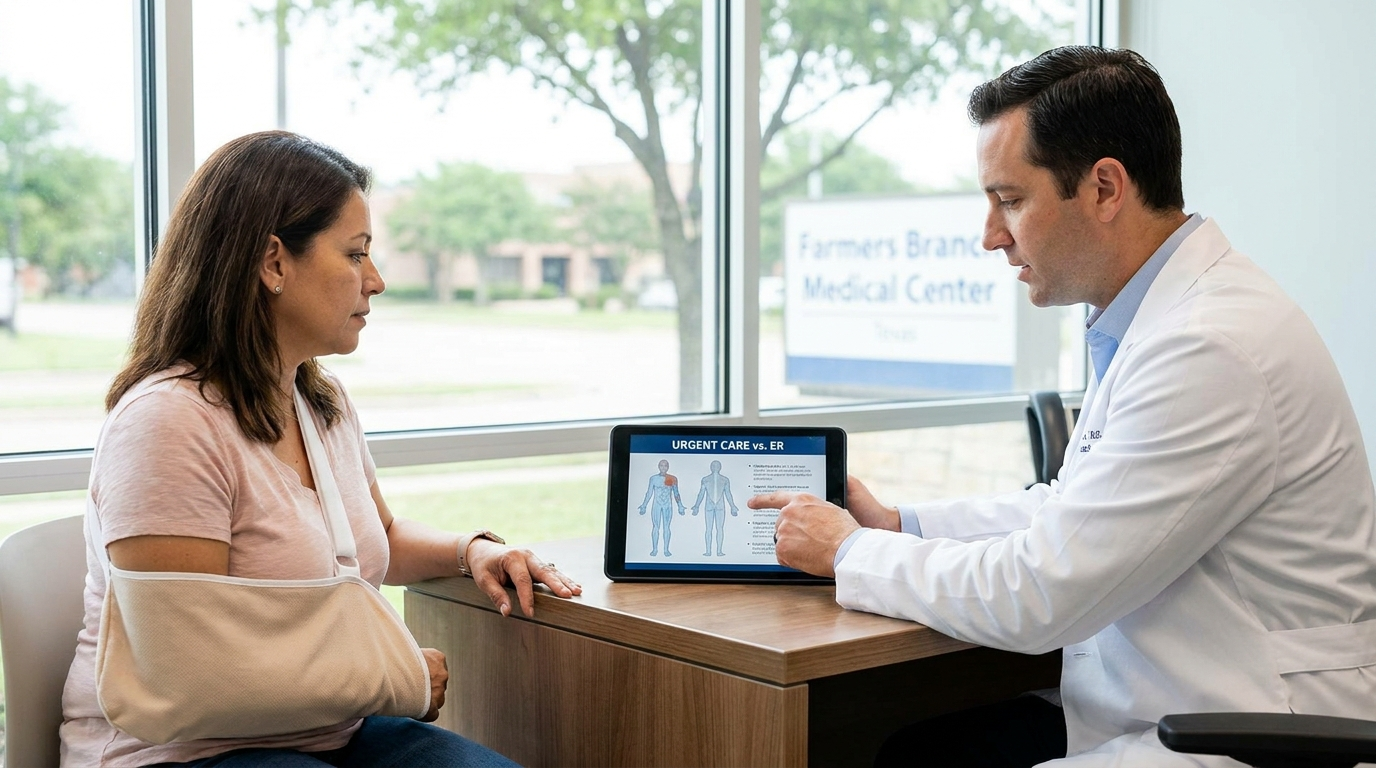
Should You Visit An Injury Clinic Or An Emergency Room After An Accident?
After a car accident, one of the first decisions people face is determining where to seek care.
Some situations require immediate emergency care, while others are better suited to an evaluation at an accident injury clinic.
Understanding the difference can help you make a more informed decision based on your symptoms and circumstances.
For people searching for an accident injury clinic near me, knowing when emergency care is appropriate and when injury-focused care may be suitable is an important part of accident recovery.
When Should You Go To The Emergency Room?
Emergency rooms are designed for urgent and potentially life-threatening conditions.
After an accident, seek emergency care if you experience serious symptoms such as:
- Loss of consciousness
- Difficulty breathing
- Severe bleeding
- Chest pain
- Severe abdominal pain
- Seizures
- Confusion
- Severe weakness
- Loss of feeling
- Inability to move part of the body
The CDC identifies warning signs after possible traumatic brain injury that require urgent medical attention, including worsening headache, repeated vomiting, confusion, seizures, and loss of consciousness. CDC Traumatic Brain Injury Symptoms
Prioritize emergency care when symptoms suggest a potentially serious condition.
When An Injury Clinic May Be Appropriate
Not every accident-related concern requires emergency room treatment.
Consider an injury clinic when someone has symptoms that need evaluation but aren’t emergency warning signs.
Examples may include:
- Neck stiffness
- Back discomfort
- Muscle soreness
- Shoulder pain
- Reduced mobility
- Persistent discomfort after a collision
- Difficulty returning to normal activities
A professional evaluation can help determine what may be contributing to symptoms and what care options may be appropriate.
Common Accident Injuries That May Need Evaluation
Vehicle collisions can affect different areas of the body.
Whiplash And Neck Injuries
Whiplash involves rapid movement of the neck and may result in:
- Neck pain
- Stiffness
- Headaches
- Reduced range of motion
- Shoulder discomfort
Mayo Clinic identifies neck pain, stiffness, headaches, and reduced neck movement as common whiplash symptoms. Mayo Clinic Whiplash Information
Back Discomfort
A collision can stress the muscles and structures that support the back.
Symptoms may include:
- Tightness
- Soreness
- Difficulty bending
- Discomfort while sitting
Soft Tissue Injuries
Soft tissues, including muscles and ligaments, can be affected during an accident.
Symptoms may include:
- Tenderness
- Swelling
- Reduced flexibility
- Pain with movement
Nerve-Related Symptoms
Symptoms such as:
- Tingling
- Numbness
- Weakness
- Changes in sensation
should be discussed with an appropriate healthcare professional.
Why Accident Symptoms Can Be Delayed
One of the most confusing parts of accident recovery is that symptoms may not always appear immediately.
Right after a collision, people are often focused on:
- Safety
- Vehicle damage
- Speaking with other parties
- Transportation arrangements
Later, as you resume normal activities, symptoms may become more noticeable.
Delayed symptoms don’t automatically indicate a serious injury, but you should monitor changes after an accident.
What Happens At An Injury Clinic Evaluation?
An accident injury clinic evaluation usually begins with understanding your situation.
A provider may ask about:
The Accident
Questions may include:
- When did the accident happen?
- How did the collision occur?
- Where were you positioned?
- Was another vehicle involved?
Your Symptoms
You may discuss:
- Where discomfort occurs
- When symptoms started
- What activities worsen symptoms
- Whether symptoms are improving or changing
Your Daily Function
Your provider may ask whether symptoms affect:
- Work
- Driving
- Sleeping
- Exercise
- Household activities
A physical assessment may include reviewing:
- Movement
- Range of motion
- Strength
- Sensation
- Functional limitations
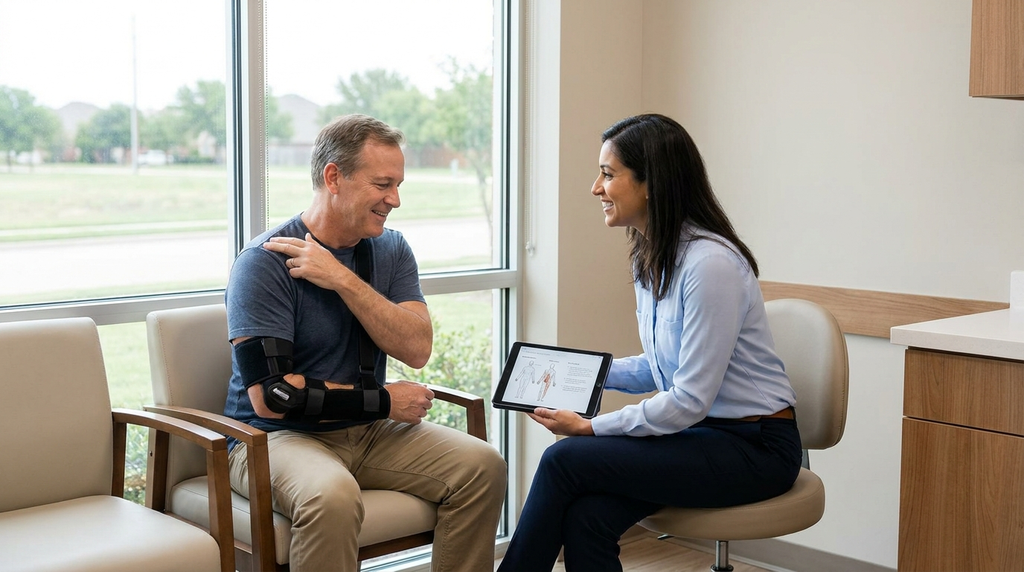
Injury Clinic Vs. Emergency Room: Understanding The Difference
Emergency Room
Emergency rooms are designed for urgent situations involving potentially serious or life-threatening conditions.
Examples include:
- Severe trauma
- Major bleeding
- Loss of consciousness
- Serious neurological symptoms
- Breathing difficulties
Injury Clinic
An injury clinic may focus on evaluating and managing non-emergency accident-related concerns.
Examples include:
- Neck discomfort
- Back symptoms
- Mobility limitations
- Musculoskeletal concerns
- Recovery planning
The appropriate choice depends on your symptoms and circumstances.
What If You Are Unsure Where To Go?
If you are unsure, consider how severe your symptoms are.
Ask yourself:
- Is there a possible emergency?
- Are symptoms severe or worsening?
- Are there neurological changes?
- Is normal movement significantly affected?
When in doubt about serious symptoms, emergency medical evaluation is the safer option.
For non-emergency, accident-related concerns, an injury evaluation may help determine the right next steps.
The Role Of Chiropractic Care After An Accident
Some people explore chiropractic care as part of their accident recovery plan.
The National Center for Complementary and Integrative Health explains that chiropractic care may include a health history review, physical examination, treatment, and progress monitoring. NCCIH Chiropractic Overview
Depending on the individual’s condition, care may involve:
- Movement assessment
- Mobility-focused care
- Therapeutic exercises
- Rehabilitation guidance
- Activity recommendations
An evaluation should determine whether chiropractic care is appropriate.
Recovery Should Focus On Function
Recovery is not only about reducing symptoms.
It also focuses on returning to daily activities.
Important goals may include:
Returning To Work
Can you perform your regular responsibilities?
Driving
Can you move comfortably enough to drive safely?
Exercise
Can you gradually return to physical activity?
Daily Activities
Can you complete normal tasks without significant difficulty?
A recovery plan should consider what matters most in your daily life.
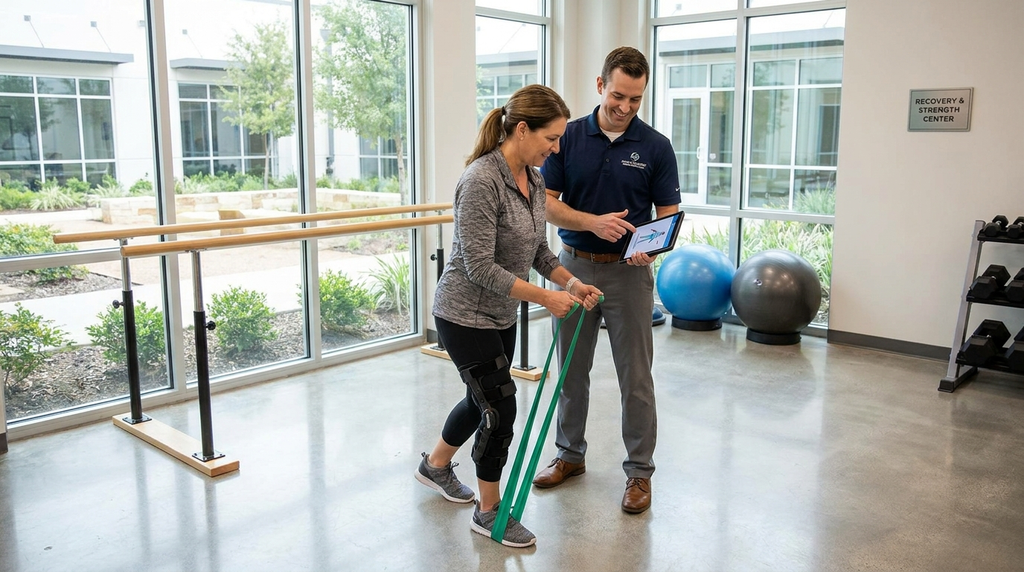
How To Choose An Accident Injury Clinic Near Farmers Branch
When comparing local options, consider:
Evaluation Process
Does the clinic begin with understanding your symptoms and history?
Accident Experience
Does the provider work with collision-related injuries?
Communication
Are recommendations explained clearly?
Individualized Care
Is the recovery approach based on your condition?
Progress Monitoring
Will your recovery be reassessed over time?
Appropriate Referral
Does the clinic recognize when you need additional medical care?
Preparing For Your Appointment
Before visiting an injury clinic, prepare:
- Accident date
- Description of the collision
- Symptoms
- When symptoms started
- Activities affected
- Previous injuries
- Current medications
A clear history can help your provider better understand your situation.
Local Farmers Branch Injury Resource
If you are searching for an accident injury clinic near me, Premier Injury Clinics of DFW provides information on chiropractic and rehabilitation services for injuries in the Farmers Branch area.
Exploring local injury care resources can help you understand available options after an accident.
Frequently Asked Questions
No. Emergency care is intended for urgent or potentially serious conditions. The appropriate choice depends on your symptoms and circumstances.
An injury clinic may be appropriate for non-emergency accident-related symptoms such as neck stiffness, back discomfort, reduced mobility, or musculoskeletal concerns.
Yes. Some symptoms may develop hours or days after a collision.
Common concerns include whiplash, neck injuries, back discomfort, soft tissue injuries, and nerve-related symptoms.
Chiropractic care may be considered for certain musculoskeletal conditions. An evaluation can help determine whether it is appropriate.
Discuss numbness with a healthcare professional. Severe or sudden neurological symptoms may require urgent evaluation.
Recovery varies depending on the injury, symptoms, health history, and response to care.
Seek emergency care for serious symptoms such as loss of consciousness, seizures, severe worsening headache, confusion, major bleeding, difficulty breathing, or significant weakness.
Final Takeaway
Whether to visit an injury clinic or an emergency room after an accident depends on your symptoms and how severe your condition is.
Emergency rooms treat urgent medical situations, while injury clinics may provide evaluation and recovery support for non-emergency, accident-related concerns.
If you are researching an accident injury clinic near me, understanding your symptoms and available care options can help you decide your next step.