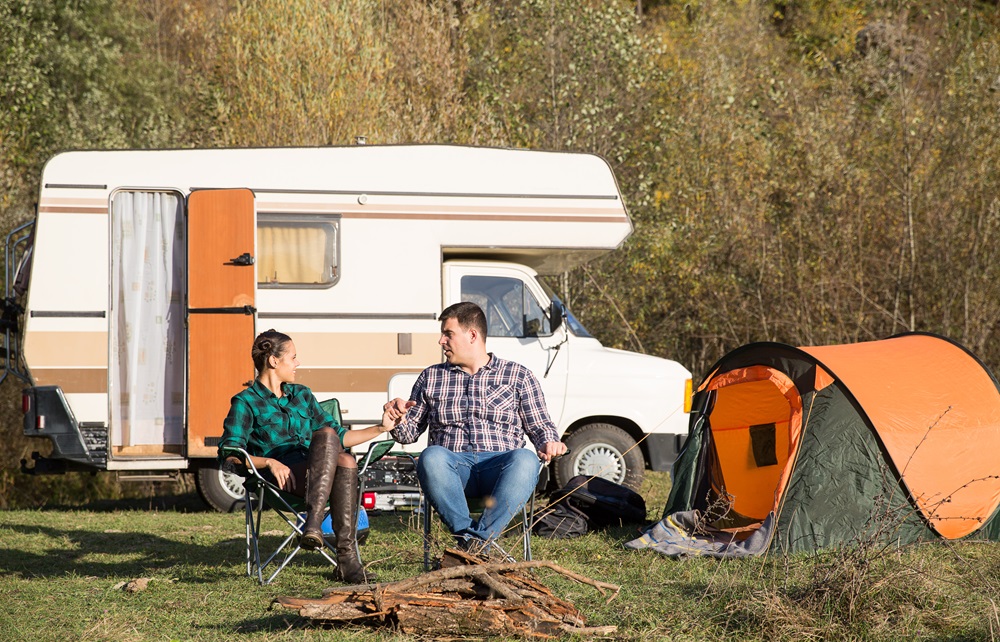
Backpacking Tent on Rocky Ground: What Really Happens?
The short answer: it punches holes in your tent floor, lets in cold air and moisture, and shortens the life of your gear faster than almost anything else.
Most ozark trail backpacking tent floors are made from polyester or nylon with a denier rating between 68D and 150D.
That sounds technical, but here’s what it means in plain terms – the lower the number, the thinner the fabric. And thin fabric against sharp rock edges? It loses every time.
Even a single overnight trip on jagged terrain can create micro-abrasions you won’t notice until your next trip in the rain. By then, water is already seeping through.
What Happens to Your Tent Floor Without Protection
Without a footprint or ground cloth, your tent floor takes the full beating from whatever is underneath.
Rock edges act like slow sandpaper. Every time you shift your weight, roll over at night, or pack up in the morning, the fabric rubs against those edges. Over time, that friction breaks down the waterproof coating – called PU or silicone coating – on the inside of the floor.
A study on outdoor gear durability found that unprotected tent floors lose up to 40% of their waterproof rating after just 10 nights on abrasive surfaces.
That’s not a small number. And once that coating goes, it doesn’t come back without re-treatment.
Beyond waterproofing, you also risk:
- Punctures from sharp rock tips, especially if someone stands or kneels near the edge
- Seam stress, because an uneven surface forces the floor fabric to stretch unevenly
- Condensation buildup, since the rock holds cold temperatures and creates a temperature gap between the ground and your tent floor
How Bad Is It for Your Sleep Setup?
Sleeping on rocky ground without a barrier is genuinely uncomfortable and can mess with your sleep quality in ways that go beyond just feeling rocks under your back.
Cold rocks pull heat away from your body much faster than soil or grass. The ground conductivity of rock is roughly 2–3 W/m·K, compared to 0.5 W/m·K for dry soil. That means rock pulls heat away from you four to six times faster.
If your sleeping pad doesn’t fully cover the floor, you’ll feel that temperature difference directly. And if your tent floor is already thinning from abrasion, that cold seeps through even more.
Does It Actually Damage the Tent Long-Term?
Yes, and faster than most people expect.
Most tent manufacturers design their floors for general use – not repeated contact with abrasive surfaces. A basic backpacking tent floor might last 100–200 nights under normal conditions. On unprotected rocky terrain, that drops significantly.
Gear repair technicians consistently report that floor abrasion is the number one reason backpackers replace tents early.
A footprint, which typically costs $20–$50, can extend your tent’s life by years. Without one, you’re essentially trading a small upfront cost for a much bigger replacement cost down the road.

FAQs
Can you use a tarp instead of a footprint on rocky ground?
Yes, a tarp works well as a substitute. Just make sure it doesn’t stick out beyond the tent edges, or it’ll channel rainwater underneath you instead of keeping it out.
How do you know if your tent floor is already damaged?
Hold the floor fabric up to a light source. If you see thin spots, discoloration, or light coming through, the coating is compromised. You can also do a simple water bead test – pour a little water on the floor and see if it beads or soaks in.
Is a footprint necessary for every camping trip?
Not always. Soft soil, grass, or sandy ground is much gentler on tent floors. A footprint matters most on gravel, rock slabs, or any surface with sharp, uneven edges.
Does tent floor thickness make a big difference on rocky ground?
It does. Thicker fabrics (150D and above) handle abrasion better, but no floor is immune to sharp rock edges over repeated use without a protective layer.
Whether you’re using a budget option or a well-tested ozark trail backpacking tent, skipping the footprint on rocky ground is one of the easiest ways to cut your gear’s lifespan short.

Related Posts
How to Clean Your Travel Daypack?

What Makes Medical Uniforms Maternity-Friendly?