Common Mistakes That Reduce Injury Settlements In Texas
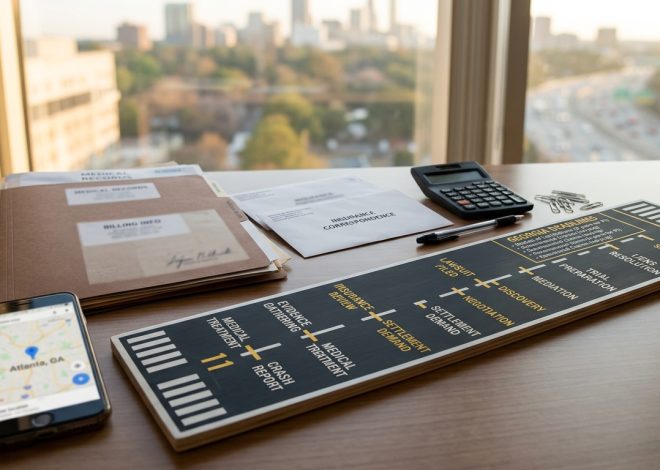
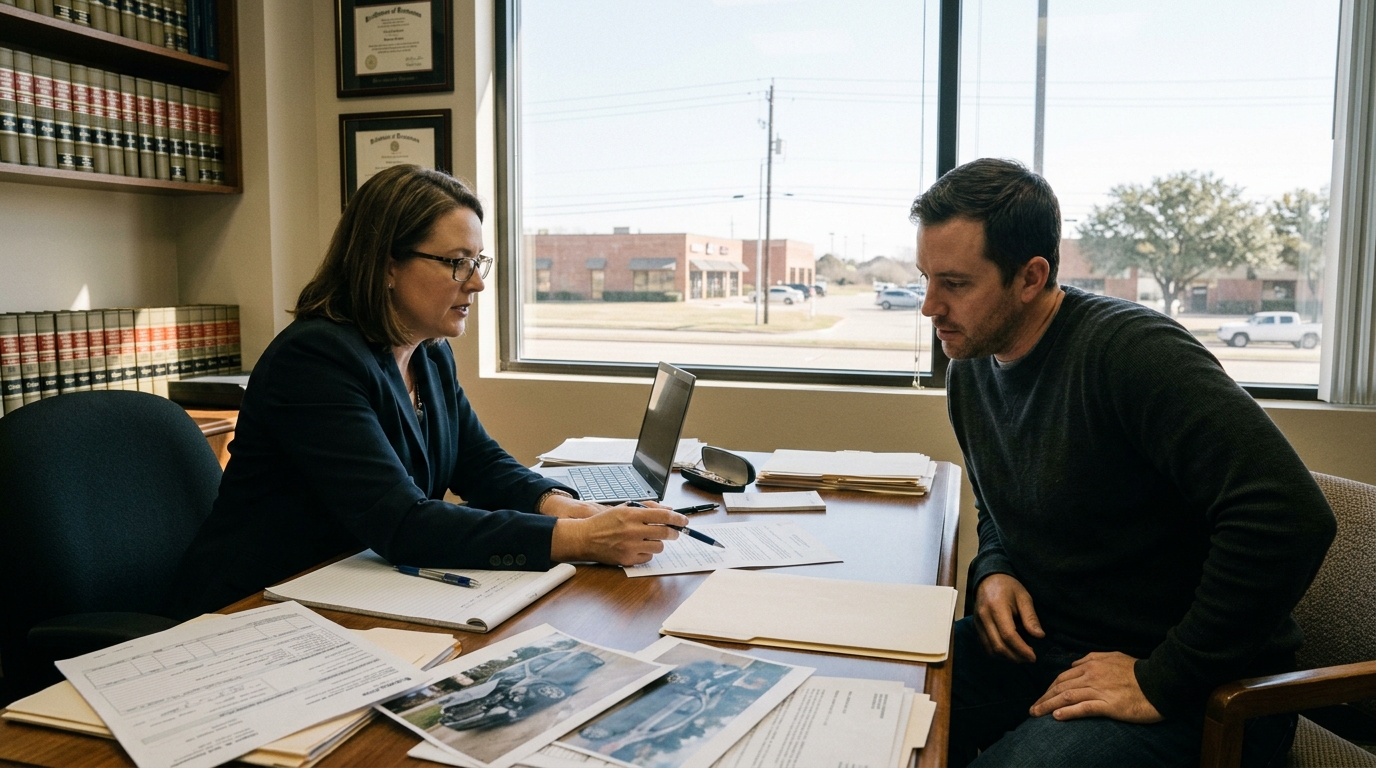
After an accident, injured people often face medical appointments, vehicle repairs, missed work, and calls from insurance adjusters. While trying to manage these responsibilities, it can be easy to make decisions that complicate an injury claim.
Some mistakes can make it harder to establish how an accident happened, document the full extent of an injury, or demonstrate the financial impact of the incident. Others may lead an injured person to accept a settlement before understanding what they are giving up.
For residents of Garland and the surrounding Dallas–Fort Worth area, understanding these potential pitfalls can help make the claims process more manageable.
A personal injury settlement depends on several factors, including liability, the available evidence, the nature of the injuries, the losses sustained, and the applicable insurance coverage. No single action guarantees a particular settlement amount, and avoiding common mistakes does not guarantee compensation.
However, getting appropriate medical care, preserving evidence, keeping accurate records, and carefully reviewing settlement offers can help protect your position when pursuing an injury claim in Texas.
1. Delaying Medical Treatment After An Accident
One of the most consequential mistakes after a crash is delaying medical evaluation when an injury may have occurred.
Immediately after an accident, adrenaline and stress can make it difficult to assess how you feel. Some injuries may not become noticeable until hours or days later. Neck pain, back discomfort, headaches, and other symptoms may develop gradually.
If you wait too long to seek appropriate medical attention, you may delay treatment and create uncertainty about when the injury began.
Medical records can also become important evidence if you pursue compensation. They document your reported symptoms, examination findings, diagnosis, and treatment recommendations.
An insurance company may question whether an injury was caused by the accident if the first medical appointment occurs well after the collision. A delay does not automatically invalidate a claim, but the insurer may request an explanation.
How to avoid this mistake
- Seek appropriate medical care when you are injured or concerned about a possible injury.
- Describe your symptoms accurately and explain when they began.
- Follow your healthcare professional’s recommendations.
- Attend appropriate follow-up appointments.
- Keep copies of relevant medical records and bills.
Do not exaggerate symptoms or seek unnecessary treatment to increase a claim’s value. Medical decisions should be based on your health needs.
The Texas Department of Insurance’s guidance on what to do after a wreck recommends keeping medical records and bills as part of the insurance documentation process.
2. Accepting An Early Settlement Offer Without Understanding Your Injuries
An insurance settlement offer can be tempting when bills are arriving and income has been interrupted. A quick payment may appear to provide an immediate solution.
However, an early offer may not account for the full extent of an injury, particularly when treatment is ongoing or the recovery outlook remains uncertain.
Consider a hypothetical Garland driver who experiences neck and shoulder pain after a collision. The insurer offers a settlement shortly after the accident, when only a few medical appointments have taken place.
If the driver later requires additional treatment, the original payment may not cover all the expenses. Depending on the settlement agreement and release, obtaining additional compensation for the same claim may be difficult or impossible.
This does not mean every early settlement is inadequate. Some injuries and losses can be evaluated relatively quickly. The important point is to understand the known damages, unresolved medical questions, and legal effect of the release before agreeing.
How to avoid this mistake
Before accepting an offer, consider whether you understand:
- The injuries and medical expenses documented so far.
- Whether additional treatment may be necessary.
- The income already lost and any supported future losses.
- The extent of the claims being released.
- Whether the proposed amount reflects the available evidence.
- Whether other insurance coverage or responsible parties may be relevant.
If important medical or legal questions remain unresolved, consider obtaining appropriate professional guidance before signing a final settlement agreement.
3. Failing To Follow Appropriate Medical Recommendations
Missing appointments, ignoring medical instructions, or stopping treatment without discussing it with a healthcare professional can complicate an injury claim.
An insurance adjuster may question whether gaps in treatment indicate that the injury improved, that additional treatment was unnecessary, or that another issue contributed to the symptoms.
Those conclusions are not always justified. People may miss appointments because of transportation difficulties, work obligations, financial pressure, or other legitimate circumstances.
Nevertheless, unexplained gaps can make it harder to understand the progression of an injury.
How to avoid this mistake
Follow your healthcare professional’s recommendations when medically appropriate. If you cannot attend an appointment or have concerns about a treatment plan, communicate with the provider and ask about suitable alternatives.
Keep accurate records of appointments, treatment, and changes in symptoms.
Do not continue treatment that your provider considers unnecessary solely to strengthen a claim. The objective is appropriate recovery, not creating a particular appearance for an insurance company.
4. Failing To Preserve Evidence From The Accident Scene
Evidence can become harder to obtain as time passes. Vehicles may be repaired, debris removed, surveillance footage overwritten, and witnesses become difficult to locate.
If important evidence is lost, it may be more difficult to establish how the accident happened or respond to a disputed account.
For example, photographs may show the location of vehicle damage, the condition of an intersection, or the position of vehicles after a collision. Witnesses may remember details that are not captured in a police report.
How to avoid this mistake
When it is safe, preserve relevant information such as:
- Photographs of vehicle damage and the accident scene.
- The other driver’s contact and insurance information.
- Witness names and contact details.
- The crash report number.
- Available dashcam or surveillance footage.
- Receipts and documents associated with the accident.
Do not enter active traffic or put yourself in danger to collect evidence. Safety comes first.
The Texas Department of Insurance’s accident-claim guidance recommends collecting driver information, photographing vehicle damage and roadway conditions, obtaining witness information, and retaining relevant records.
5. Giving Inaccurate Or Inconsistent Statements
Insurance adjusters may ask how an accident happened, what symptoms you experienced, and whether you had similar problems before the collision.
Inaccurate statements can create unnecessary disputes. Even an honest inconsistency may cause an adjuster to question the reliability of an account.
For example, a person may initially describe an injury as minor because they have not yet been evaluated. Later, when symptoms become more noticeable, they report significant discomfort.
That change does not necessarily mean the person was dishonest. Symptoms can evolve, and the initial description may have reflected what they understood at the time.
The important thing is to explain the circumstances accurately.
How to avoid this mistake
- Describe events as you remember them.
- Do not guess when you do not know an answer.
- Distinguish between what you personally observed and what someone else told you.
- Explain changes in symptoms honestly.
- Correct factual errors when you identify them.
- Review written or recorded statements carefully before providing them.
If you are unsure about a request for a recorded statement, particularly when liability is disputed or injuries are serious, consider obtaining legal advice about your obligations and options.
Never fabricate details, exaggerate injuries, or conceal relevant facts.
6. Posting About The Accident Or Injury On Social Media
Social media posts can create complications when they appear inconsistent with an injury claim.
For example, a photograph of someone attending a family gathering may be presented as evidence that they are not experiencing limitations. Yet a single photograph does not establish whether the person can work, exercise, or perform daily activities without pain.
Similarly, a post about an accident may contain incomplete details or statements made before the circumstances are fully understood.
Information shared publicly may be preserved and potentially used as evidence, depending on the circumstances and applicable rules.
How to avoid this mistake
Be thoughtful about posting details concerning the accident, your injuries, medical treatment, or a pending claim.
Avoid speculation about who was responsible or how much compensation you expect to receive. Do not delete or alter potentially relevant evidence in an attempt to influence a claim.
If you have questions about preserving social media content or responding to an evidence request, seek appropriate guidance.
The goal is not to hide legitimate activities. It is to avoid creating misunderstandings through incomplete or inaccurate statements.
7. Failing To Keep Medical Bills And Financial Records
An injury claim may involve more than the initial emergency room visit or the first few medical appointments.
Depending on the circumstances, losses may include follow-up care, medication, rehabilitation, lost income, reduced earning capacity, and other legally recoverable damages.
Without organized documentation, it may be harder to calculate these losses or explain how they relate to the accident.
For example, a Garland employee who misses several days of work may have records showing the time missed and wages lost. If those records are unavailable, establishing the amount of lost income may require additional effort.
How to avoid this mistake
Maintain a dedicated folder, whether digital or physical, containing relevant documents such as:
- Medical bills and treatment records.
- Prescription and rehabilitation expenses.
- Employment records and wage information.
- Receipts for accident-related expenses.
- Vehicle repair estimates and invoices.
- Insurance correspondence.
- Documentation of relevant changes in daily activities.
Keep original documents where possible and save copies of anything you submit to an insurer.
The Texas Department of Insurance’s guide to getting an insurance claim paid also recommends documenting accident details, retaining photographs and videos, and keeping expense receipts.

8. Assuming The Police Report Automatically Determines Fault
A police crash report can be valuable evidence, but it does not necessarily resolve every question about legal responsibility.
The report may contain statements from drivers and witnesses, observations made by responding officers, and other information recorded at the scene.
However, an officer may not have witnessed the collision. The report may also lack information that becomes available later, such as additional video footage or expert analysis.
If the report contains an error or incomplete information, relevant supporting evidence may help clarify the circumstances.
How to avoid this mistake
Obtain the available crash report and review it for factual accuracy.
Preserve other evidence that may help establish how the accident occurred, including photographs, witness information, video, and relevant vehicle data.
Do not assume that a report’s preliminary description necessarily establishes the final legal allocation of fault.
9. Admitting Fault Before The Facts Are Clear
Immediately after an accident, people may apologize or speculate about what happened. A statement such as “I should have seen you” may be made out of politeness, shock, or uncertainty rather than as a complete account of responsibility.
The problem arises when a preliminary statement is treated as a definitive admission about how the collision occurred.
Responsibility should be assessed using the available evidence and applicable law, not solely on the basis of an emotional reaction at the scene.
How to avoid this mistake
Exchange information, cooperate with appropriate authorities, and provide truthful answers to questions.
Avoid guessing about the cause of the collision or making unsupported statements about legal responsibility.
This does not mean refusing to cooperate or concealing information. It means distinguishing between the facts you know and conclusions that require further investigation.
10. Ignoring The Possibility Of Shared Responsibility
Texas follows a modified comparative responsibility system under Chapter 33 of the Texas Civil Practice and Remedies Code.
Under Section 33.001 of the Texas Civil Practice and Remedies Code, a claimant generally cannot recover damages if their percentage of responsibility is greater than 50%.
If the claimant’s responsibility is 50% or less, the damages are generally reduced according to that percentage, subject to the applicable statutory rules.
For example, suppose an injured person has $100,000 in otherwise recoverable damages and is found 20% responsible for the accident. A simplified calculation would reduce the damages by $20,000, leaving $80,000 before other applicable adjustments.
If the claimant is found 51% responsible, the general statutory rule bars recovery in a claim to which Chapter 33 applies.
The percentage of fault is not necessarily established by an insurer’s initial assessment. It may be disputed and evaluated using the evidence.
How to avoid this mistake
Do not assume that an insurer’s fault determination is automatically correct. Review the evidence, including photographs, witness accounts, crash reports, and other relevant information.
If the insurer alleges that you were partly responsible, understanding how Texas proportionate responsibility rules apply may help you assess the offer and decide whether further investigation is warranted.
11. Accepting An Offer Without Understanding The Full Release
A settlement agreement often includes a release that identifies the claims being resolved.
Signing a release can have significant legal consequences. Depending on its terms and the circumstances, it may prevent you from seeking additional compensation for the injuries and losses covered by the agreement.
This can be particularly important when several parties or insurance policies are involved, or when the extent of the injury remains uncertain.
How to avoid this mistake
Before signing, understand:
- Which parties are being released.
- Which claims and injuries are covered.
- Whether the agreement resolves the entire claim.
- How medical expenses, liens, or other obligations will be handled.
- Whether any issues remain unresolved.
Do not assume that an insurer can simply reopen a completed settlement if your condition changes later.
If the release is unclear or the claim involves significant injuries, consider having the document reviewed before signing.
12. Missing The Texas Personal Injury Filing Deadline
A claim can be affected by more than its medical evidence or settlement negotiations. Legal deadlines may determine whether a lawsuit can be brought.
Under Section 16.003 of the Texas Civil Practice and Remedies Code, a personal injury lawsuit generally must be filed within two years after the cause of action accrues, subject to applicable exceptions.
This is a general rule, not a guarantee that every claim follows the same deadline. Certain circumstances may involve special rules, notice requirements, or other legal considerations.
Waiting until the deadline is close can also make it harder to investigate the accident and prepare the necessary evidence.
How to avoid this mistake
Record the accident date and seek guidance about the deadline that applies to your circumstances.
Do not assume that submitting an insurance claim or negotiating with an adjuster automatically pauses the legal filing period.
If a government entity or another party subject to special rules may be involved, seek advice promptly because additional requirements may apply.
13. Failing To Consider All Legally Recoverable Damages
Some injured people focus only on the immediate medical bill or the amount of vehicle damage. However, a personal injury claim may involve several categories of losses.
Depending on the facts and applicable law, potentially recoverable damages may include:
- Reasonable and necessary medical expenses.
- Lost wages.
- Reduced future earning capacity.
- Qualifying future medical expenses.
- Physical pain and suffering.
- Other legally recoverable losses supported by the evidence.
Not every category applies to every case, and an item is not automatically recoverable simply because it appears on a list.
Future losses may require additional documentation or expert evaluation. Similarly, claims for pain and suffering depend on the circumstances and available evidence.
How to avoid this mistake
Identify the losses that may be related to the accident and maintain supporting documentation.
Discuss unresolved medical issues with your healthcare provider. Where appropriate, obtain employment or financial records that document the impact of the injury.
Before settling, make sure you understand what damages are being claimed, which are supported by evidence, and which uncertainties remain.
14. Underestimating The Complexity Of A Motorcycle Accident Claim
Motorcycle accidents can involve issues that differ from those in some ordinary passenger vehicle collisions.
For example, a driver may claim that a motorcycle was difficult to see, while the motorcyclist may report that a vehicle changed lanes without adequate warning. The parties may disagree about speed, visibility, braking, or the position of each vehicle before impact.
Injury severity can also affect the evidence required to evaluate the claim.
The fact that someone was riding a motorcycle does not establish that they were responsible for the crash. Equally, a motorist’s involvement does not automatically establish that the motorist was at fault.
How to avoid this mistake
Preserve photographs, witness information, available video, and relevant medical records. Record the circumstances of the collision as accurately as possible.
If the crash involved disputed lane movements, serious injuries, or competing accounts of what happened, additional investigation may be necessary.
For more information about motorcycle-related claims, visit Thompson Law’s motorcycle accident lawyers page for Garland.
15. Assuming Every Settlement Offer Is Fair Or Unfair
An insurance company’s first offer is not necessarily the amount a claim is worth. However, it is also not automatically an unfair offer simply because it is lower than the amount requested.
A settlement should be evaluated in light of the evidence, the claimed losses, disputed issues, available insurance coverage, and the potential risks of continued negotiations or litigation.
A demand that substantially exceeds the supported damages may be difficult to justify. An offer that overlooks documented medical expenses or disputed liability may warrant further review.
How to avoid this mistake
Compare the offer with the available documentation.
Consider whether the amount accounts for the known injuries and losses, whether the insurer’s fault assessment is supported, and whether important evidence remains outstanding.
If you cannot determine how the insurer calculated the offer, ask for an explanation where appropriate.
A careful evaluation is more useful than accepting or rejecting an offer based solely on the amount or on assumptions about what similar cases might be worth.
When An Injury Lawyer In Garland May Help
Some claims can be resolved with straightforward documentation and limited disagreement. Others involve serious injuries, disputed fault, complex insurance issues, or substantial financial losses.
Legal guidance may be worth considering when:
- The insurer disputes responsibility for the accident.
- You are accused of contributing to the collision.
- Your injuries require continuing treatment.
- The settlement offer does not appear to account for documented losses.
- Multiple parties or insurance policies may be involved.
- You are unsure what a proposed release would cover.
- A legal deadline may be approaching.
An injury lawyer in Garland may help explain the claims process, review relevant evidence, and discuss possible options under Texas law.
Legal representation cannot guarantee a particular settlement amount or timeline. The outcome depends on the facts, the available evidence, the applicable law, and the decisions of the parties involved.
Frequently Asked Questions
1. What mistakes can reduce a personal injury settlement in Texas?
Potentially harmful mistakes include delaying necessary medical care, losing relevant evidence, failing to document losses, making inaccurate statements, accepting a settlement without understanding the release, and missing applicable legal deadlines. The effect of any particular mistake depends on the facts.
2. Does delaying medical treatment automatically ruin an injury claim?
No. A delay does not automatically invalidate a claim. However, the insurer may question the cause or severity of the injury, and delayed care may also postpone appropriate treatment. Seek medical advice when needed and explain the timing accurately.
3. Should I accept the first settlement offer from an insurance company?
Not without understanding the offer and its consequences. Review the documented losses, unresolved medical questions, and release terms. A quick settlement may be suitable in some straightforward cases, but it may be premature when important issues remain uncertain.
4. Can social media posts affect an injury claim?
Potentially. Posts, photographs, or statements may be used to challenge an account of the injury or its effect on daily activities. A post may not tell the whole story, but it can create disputes if taken out of context. Be accurate and preserve relevant evidence.
5. What is the deadline for filing a personal injury lawsuit in Texas?
The general deadline is two years after the cause of action accrues under Section 16.003 of the Texas Civil Practice and Remedies Code, subject to exceptions and other applicable rules. Some claims may have special notice requirements or different legal considerations.
6. Can I recover compensation if I was partly responsible for an accident?
Generally, Texas allows recovery when a claimant’s percentage of responsibility is 50% or less, with damages reduced according to the claimant’s percentage of responsibility. Under Chapter 33, a claimant generally cannot recover if their responsibility exceeds 50%, subject to the applicable legal framework.
7. How can I document lost wages after an accident?
Relevant documentation may include employer statements, pay stubs, attendance records, and other reliable evidence of time missed or reduced earnings. Future earning-capacity claims may require additional evidence depending on the circumstances.
8. Should I speak with a lawyer before signing a settlement release?
If the claim involves significant injuries, disputed responsibility, multiple parties, or uncertain future losses, legal guidance may help you understand the release and its potential consequences. The need for legal advice depends on the circumstances of the claim.
Final Thoughts
A personal injury settlement depends on more than the circumstances of the initial accident. Medical documentation, evidence of fault, financial records, insurance coverage, and the terms of any settlement agreement can all influence how a claim is evaluated.
Avoiding common mistakes cannot guarantee a larger settlement, but it can help prevent unnecessary disputes and make it easier to establish the facts and losses associated with an accident.
After an injury, prioritize appropriate medical care, preserve relevant evidence, maintain accurate records, and read settlement documents carefully. Keep track of legal deadlines rather than assuming that insurance negotiations will protect your right to file a lawsuit.
If you have questions about an injury claim in Garland, visit the Thompson Law Garland profile for local information.