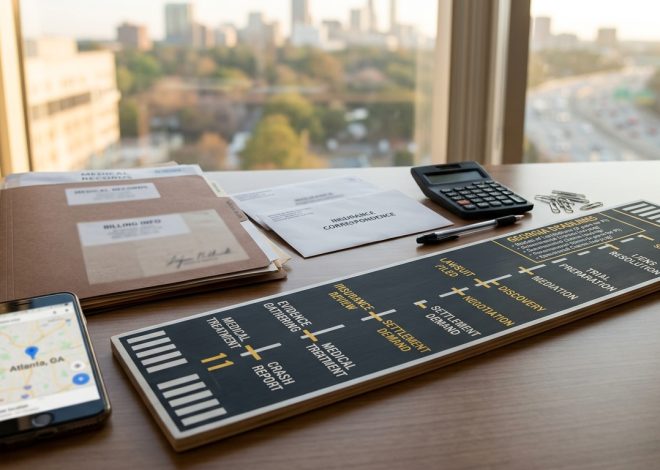
How Evidence Preservation Works After a New York Accident
Evidence preservation after a New York accident means protecting the records, photos, videos, documents, witness information, medical records, insurance letters, and physical proof that may later help explain what happened and how the injury affected the person involved. People reviewing accident evidence may use a personal injury lawyer Long Islandresource to understand how liability, damages, insurance issues, and deadlines are generally evaluated.
Quick Answer
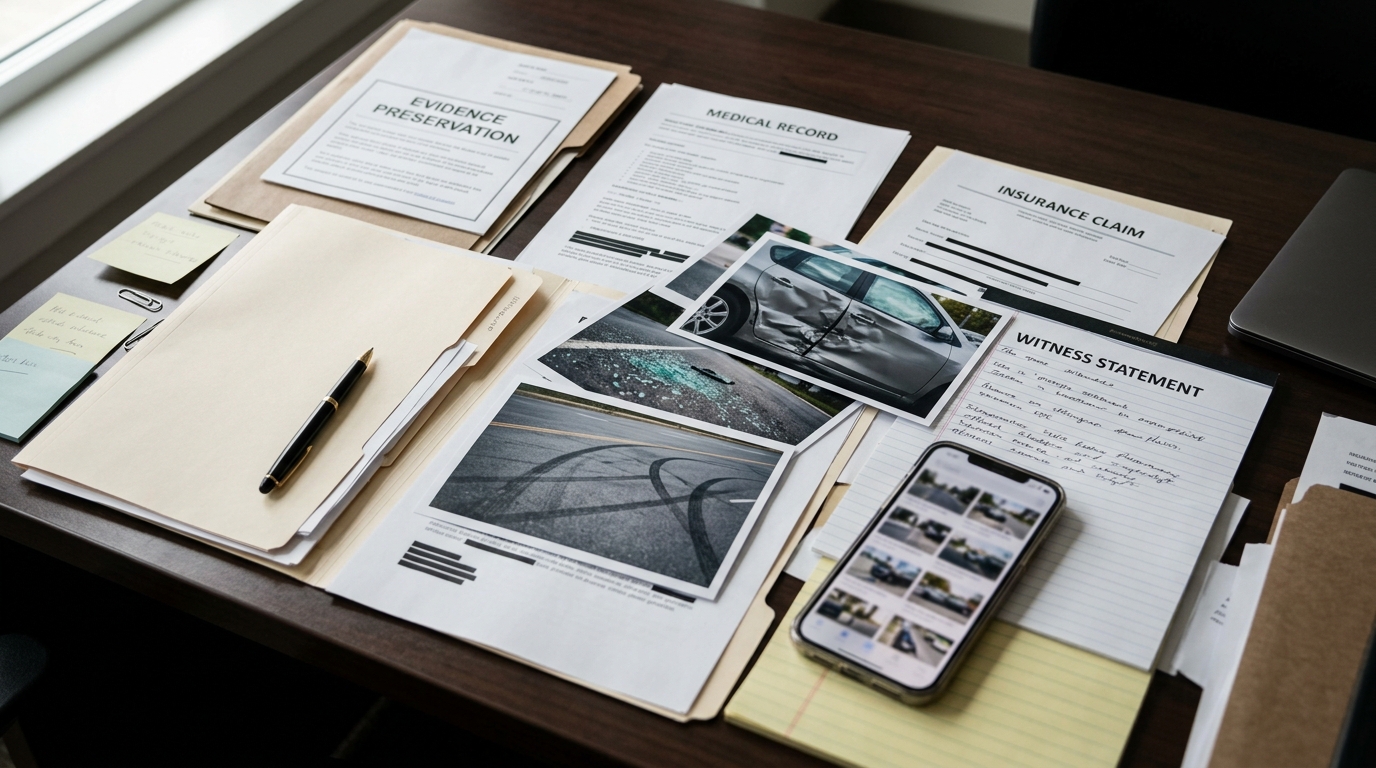
Evidence should be preserved as early as possible after a New York accident because important proof can disappear quickly. Photos may be deleted, surveillance footage may be overwritten, witnesses may become hard to find, vehicles may be repaired, property conditions may change, and medical records may take time to collect. Useful evidence may include accident reports, scene photos, witness names, medical records, bills, wage records, insurance letters, video footage, maintenance records, digital data, and written timelines.
Key Takeaways
- Evidence preservation should begin as soon as the injured person is safe and medical needs are addressed.
- New York DMV’s MV-104 form states that a crash causing injury, death, or more than $1,000 in property damage to any one person must be reported within 10 days. NY DMV
- New York no-fault claims have early insurance timing rules, including written notice generally no more than 30 days after the accident unless a clear and reasonable justification exists for late filing. Department of Financial Services
- Claims involving public corporations may require a notice of claim within 90 days when notice is required under New York General Municipal Law § 50-e. NYSenate.gov
- Evidence should be organized by category, date, source, and relevance so it can be reviewed efficiently during insurance negotiations or litigation.
Why Evidence Preservation Matters
A personal injury claim depends on proof. It is not enough to say an accident happened or that an injury followed. The claim usually needs evidence showing what occurred, who may be responsible, what injuries were diagnosed, what treatment was needed, how work and daily life were affected, and what damages can be supported.
Evidence can help answer important questions:
- Where did the accident happen?
- What condition or conduct caused it?
- Who controlled the vehicle, property, jobsite, vessel, animal, or equipment?
- Were there witnesses?
- Was video available?
- Were injuries reported right away?
- Did medical records connect symptoms to the accident?
- Were wages lost?
- Were bills paid by no-fault, health insurance, workers’ compensation, Medicare, or Medicaid?
- Did the insurer dispute fault or injury causation?
A broader guide to evidence for personal injury claims can help explain why records, photos, reports, medical documentation, and witness information often need to support each other.
Evidence Can Disappear Quickly
Many forms of accident evidence are temporary. A wet floor may be cleaned. Snow and ice may melt. A broken sidewalk may be repaired. A vehicle may be moved or scrapped. A store camera may overwrite footage. A witness may leave the area and become difficult to locate.
Time-sensitive evidence may include:
- Surveillance video
- Dashcam footage
- Traffic camera footage
- Store incident reports
- Maintenance logs
- Snow and ice removal records
- Cleaning schedules
- Vehicle damage
- Roadway debris
- Jobsite conditions
- Equipment involved in a work accident
- Dog owner information
- Boating GPS data
- Marina camera footage
- Rideshare app records
- Witness names and phone numbers
The sooner evidence is identified, the more likely it is that it can be preserved in useful form.
Start With Medical Evidence
Medical care comes first after an accident. From an evidence standpoint, medical records help document symptoms, diagnosis, treatment, limitations, and injury progression. Delayed care can make the medical timeline harder to explain.
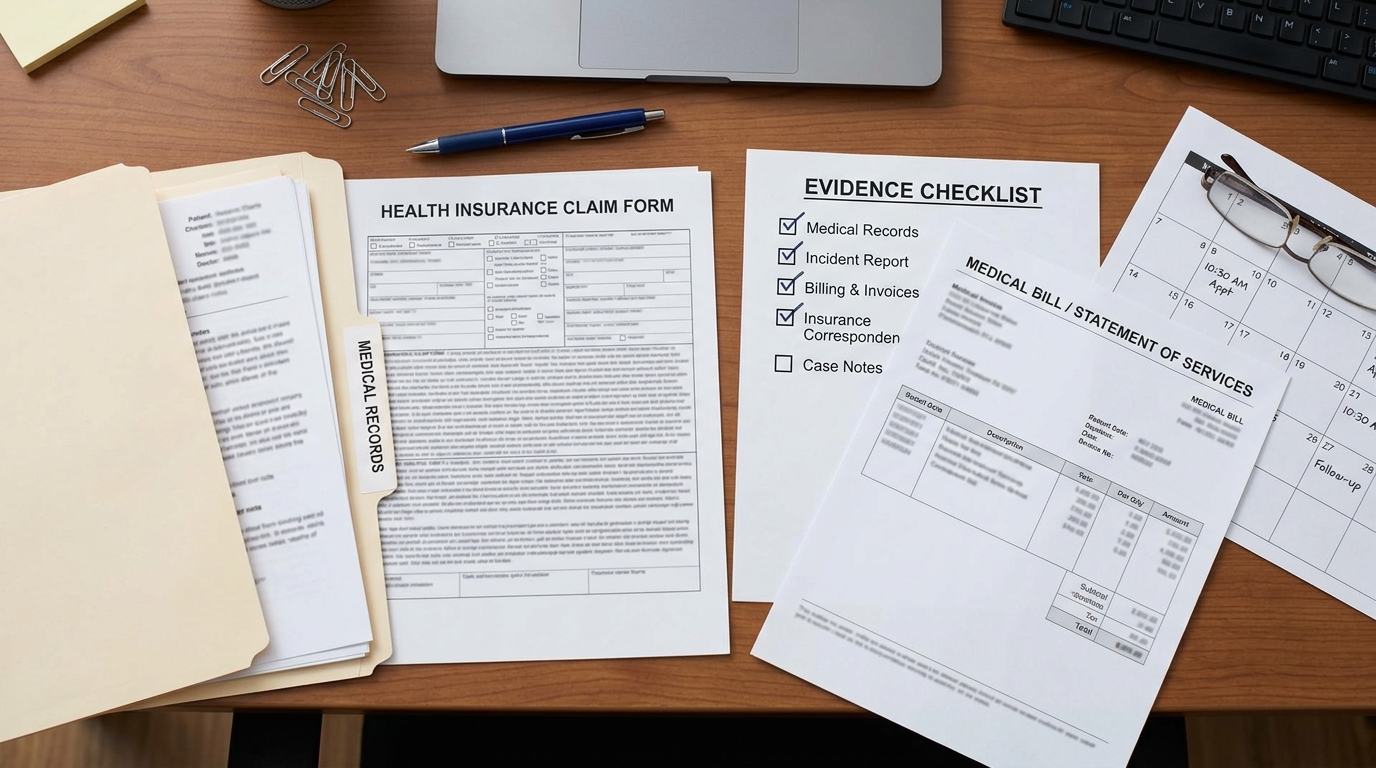
Important medical evidence may include:
- Ambulance records
- Emergency room records
- Hospital records
- Primary care notes
- Specialist records
- Imaging reports
- Surgery records
- Physical therapy records
- Pain management records
- Prescription records
- Work restriction notes
- Medical bills
- Future care recommendations
Medical records may also help connect the injury to the accident. If symptoms change over time, updated treatment records may be important.
Accident Reports and Official Records
Official reports can help document the date, location, parties involved, early descriptions, and reported injuries. These reports may not decide fault by themselves, but they are often important starting points.
Reports may include:
- Police accident report
- DMV MV-104 report
- Store incident report
- Property incident report
- Workplace accident report
- Workers’ compensation C-3 claim form
- Boating accident report
- Animal control report
- Nursing home incident report
- EMS report
- Fire department report
For motor vehicle crashes, New York DMV’s MV-104 crash report form states that a crash causing injury, death, or property damage over $1,000 to any one person must be reported within 10 days. NY DMV
Photos and Videos From the Scene
Photos and videos can preserve details that may change after the accident. They should be taken safely and without interfering with emergency response, medical treatment, traffic, worksite safety, or property rules.
Useful photos or videos may show:
- Vehicle positions
- Vehicle damage
- Skid marks
- Road conditions
- Traffic signals
- Weather conditions
- Lighting
- Sidewalk defects
- Wet floors
- Snow or ice
- Missing warning signs
- Stairway conditions
- Handrails
- Construction equipment
- Dog bite injuries
- Vessel damage
- Dock or marina hazards
- Visible injuries over time
Photos should be saved in their original format when possible. Original files may contain date, time, and location metadata.
Witness Information
Witnesses can be important when fault is disputed. A witness may have seen the accident, the condition that caused it, what happened afterward, or how long a hazard existed.
Useful witness details include:
- Full name
- Phone number
- Email address
- Home or work address, if available
- Where the witness was standing
- What the witness saw
- Whether the witness took photos or video
- Whether the witness spoke to police, staff, or management
Witness memories can fade. A short written note made soon after the accident may help preserve what the witness remembered at the time.
Insurance Letters and Claim Communications
Insurance correspondence should be saved because it may show claim numbers, coverage positions, document requests, deadlines, settlement offers, denials, and payment issues.
Insurance evidence may include:
- Claim number letters
- Adjuster emails
- No-fault forms
- Medical bill denials
- Lost wage requests
- Property damage estimates
- Recorded statement requests
- Settlement offers
- Reservation of rights letters
- Policy limit information
- Coverage denial letters
- Medical authorization requests
In New York motor vehicle claims, the Department of Financial Services explains that written no-fault notice must generally be submitted as soon as reasonably practicable, but no more than 30 days after the accident unless clear and reasonable justification exists for late filing. Medical bills and lost wage claims may also have separate submission timeframes under Regulation 68. Department of Financial Services
Evidence in Car Accident Claims
Car accident evidence often includes both physical crash evidence and insurance documentation. New York no-fault benefits, bodily injury claims, property damage, and liability disputes may each require different records.
Car accident evidence may include:
- Police report
- DMV MV-104 report
- Photos of vehicles
- Photos of the road
- Dashcam footage
- Traffic camera footage
- Witness statements
- Repair estimates
- Total loss documents
- No-fault application
- Medical records
- Lost wage records
- Insurance letters
- Cell phone records, when relevant
- Rideshare or delivery app records, when relevant
A car accident attorney resource may help readers understand why no-fault paperwork, crash reports, medical evidence, and liability evidence often need to be reviewed together.
Evidence in Slip, Trip, and Premises Liability Claims
Premises liability claims often depend on proving the unsafe condition, who controlled the property, whether notice existed, and whether the hazard could have been corrected or warned about.
Premises liability evidence may include:
- Photos of the hazard
- Video footage
- Incident reports
- Witness names
- Store employee names
- Maintenance logs
- Inspection schedules
- Cleaning records
- Snow and ice removal records
- Weather records
- Prior complaint records
- Property ownership records
- Lease or management records
- Footwear photos
- Medical records
A premises liability attorney resource may help explain why property control, notice, maintenance history, inspection practices, and photographs can affect unsafe-property claims.
Evidence in Construction and Workplace Accidents
Construction and workplace accident claims may involve both workers’ compensation and third-party liability evidence. Records from the jobsite can be especially important.
Workplace evidence may include:
- Incident report
- Safety meeting records
- Jobsite photos
- Equipment involved
- Contractor and subcontractor names
- Supervisor information
- Witness statements
- Training records
- Work orders
- Daily logs
- Scaffold or ladder information
- Maintenance records
- OSHA-related documents
- Workers’ compensation forms
- Wage records
- Medical records
OSHA requires employers to report work-related fatalities within 8 hours and work-related inpatient hospitalizations, amputations, or losses of an eye within 24 hours when reporting requirements apply. OSHA New York Workers’ Compensation Board guidance explains that injured workers should file Form C-3 as soon as possible and generally within two years of the accident or within two years after they knew or should have known that the condition was work-related. WCB NY
Evidence in Truck and Commercial Vehicle Claims
Truck and commercial vehicle accidents may involve records beyond an ordinary passenger vehicle claim. Evidence may be held by the trucking company, employer, broker, maintenance provider, delivery company, or insurer.
Commercial vehicle evidence may include:
- Police report
- Driver qualification file
- Vehicle maintenance records
- Electronic logging data
- Dispatch records
- Delivery schedule
- Cargo information
- Dashcam footage
- GPS data
- Inspection reports
- Training records
- Company safety policies
- Prior incident records
- Insurance policy information
A truck accident attorney resource may help explain why commercial vehicle claims often require early evidence preservation before company records are lost, deleted, or overwritten.
Evidence in Nursing Home Negligence Claims
Nursing home claims often depend on records that show care planning, staffing, resident condition, incident response, and communication with family or medical providers.
Nursing home evidence may include:
- Care plans
- Nursing notes
- Medication administration records
- Fall risk assessments
- Skin integrity records
- Nutrition and hydration records
- Transfer records
- Hospital transfer forms
- Incident reports
- Staffing records
- Photos of injuries
- Family communication records
- Complaint records
- Medical records
- Facility policy documents
A nursing home negligence lawyer Long Island resource may help readers understand why resident records, care plans, medical documentation, and injury timelines may be important in these claims.
Evidence in Dog Bite Claims
Dog bite evidence may involve the bite injury, the dog’s history, the owner’s control, prior complaints, witness statements, and medical treatment.
Useful dog bite evidence may include:
- Photos of injuries
- Medical records
- Emergency care records
- Rabies-related documentation
- Animal control reports
- Dog owner information
- Witness names
- Prior bite or aggression history
- Leash or enclosure information
- Property location
- Clothing damage
- Scarring photos over time
A dog bite lawyer resource may help explain why medical treatment, animal control documentation, witness information, and prior incident evidence may affect these claims.
Evidence in Boating and Watercraft Accidents
Boating evidence may include vessel information, operator conduct, weather, wake conditions, GPS data, marina records, rental documents, and safety equipment details.
Boating evidence may include:
- Vessel registration information
- Operator information
- Passenger names
- Photos of the vessel
- Photos of the dock or marina
- Weather records
- GPS data
- Marina camera footage
- Rental or charter documents
- Boating accident report
- Life jacket information
- Alcohol-related evidence, when relevant
- Witness statements
- Medical records
A boating accident lawyer Long Island resource may help explain why vessel records, operator details, weather conditions, and safety equipment may matter after a recreational boating accident.
Digital Evidence and Metadata
Digital evidence can be powerful, but it should be preserved carefully. Screenshots may help, but original files are often more useful because they may contain metadata.

Digital evidence may include:
- Original photos
- Original videos
- Dashcam files
- Surveillance footage
- Text messages
- Emails
- App trip records
- GPS data
- Fitness tracker data
- Phone call logs
- Social media messages
- Cloud backups
- Vehicle data
- Electronic logs
Digital files should not be edited if the original can be saved. A copy can be made for sharing, but the original should be kept intact.
Social Media Evidence
Social media can become evidence in a personal injury claim. Posts, comments, photos, videos, location check-ins, and activity updates may be reviewed in relation to injury severity, activity limits, daily life, and credibility.
Social media evidence may include:
- Accident posts
- Injury updates
- Photos after the accident
- Videos of physical activity
- Location check-ins
- Comments about fault
- Messages about settlement
- Deleted posts
- Tagged photos from others
Deleting posts after a dispute begins can create problems. The safest approach is usually to avoid discussing the accident, injury, claim, treatment, or settlement online.
Preserving Physical Evidence
Physical evidence may need to be kept in the same condition when possible. This can matter in vehicle accidents, product claims, workplace incidents, dog bites, and clothing damage cases.
Physical evidence may include:
- Damaged vehicle parts
- Bicycle or motorcycle parts
- Defective products
- Broken equipment
- Damaged shoes
- Torn clothing
- Safety gear
- Helmet
- Personal watercraft parts
- Medical devices
- Tools or machinery involved
Physical items should be photographed, stored safely, and not repaired or discarded before their evidentiary value is considered.
Evidence Preservation Letters
An evidence preservation letter is a written request asking a person, business, insurer, property owner, employer, facility, or other party to preserve potentially relevant evidence. It may be important when the evidence is controlled by someone else.
A preservation letter may request preservation of:
- Surveillance video
- Incident reports
- Maintenance logs
- Inspection records
- Cleaning schedules
- Trucking records
- Dashcam footage
- Electronic logs
- Rental records
- Employee schedules
- Nursing home records
- Marina records
- Vehicle data
- Digital communications
The letter should identify the accident, date, location, parties involved, and categories of evidence that should not be destroyed or altered.
Chain of Custody and Organization
Evidence is easier to use when it is organized and traceable. Chain of custody means keeping track of where evidence came from, who had it, and whether it changed.
Good organization may include:
- Date evidence was collected
- Source of evidence
- Person who collected it
- Original file name
- Location where it is stored
- Copies shared
- Notes about relevance
- Whether the item was altered
- Whether a backup exists
For digital evidence, saving original files and keeping a backup can help prevent accidental loss.
Evidence and Comparative Fault
Evidence preservation is especially important when the other side argues that the injured person was partly responsible. New York comparative negligence rules state that culpable conduct attributable to the claimant does not bar recovery in many personal injury actions, but damages may be reduced in proportion to the claimant’s share of fault. NYSenate.gov
Comparative fault evidence may involve:
- Photos of the accident area
- Witness statements
- Lighting conditions
- Weather records
- Warning signs
- Surveillance footage
- Speed or distance evidence
- Footwear
- Safety equipment
- Driver behavior
- Property maintenance records
- Jobsite safety records
Strong evidence can help respond to arguments that the injured person caused or contributed to the accident.
Evidence and Legal Deadlines
Evidence preservation should happen early, even though some lawsuit deadlines may be longer. New York Courts lists three years for car accidents, slip and fall claims, and many negligence-based personal injury claims. Different periods may apply for wrongful death, public entity matters, and certain other claims. New York Courts
Deadlines may also involve:
- No-fault notice
- Medical bill submission
- Lost wage proof
- Public entity notice of claim
- Workers’ compensation filings
- Insurance policy notice
- Court filing deadlines
- Discovery deadlines
- Expert disclosure dates
- Settlement approval procedures
Waiting until a legal deadline is close can make evidence harder to find.
Public Entity Evidence
When the accident involves public property or a public entity, evidence preservation and notice deadlines may become more urgent. Public sidewalks, municipal vehicles, public schools, public hospitals, public transportation, public docks, and government-controlled property can involve special rules.
New York General Municipal Law § 50-e generally requires a notice of claim within 90 days after the claim arises when notice is required for tort claims against a public corporation. The notice must include information such as the nature of the claim, the time and place where it arose, the manner in which it arose, and the injuries or damages claimed as far as practicable. NYSenate.gov
Public entity evidence may include:
- Exact location photos
- Street or sidewalk measurements
- Maintenance records
- Prior complaints
- Public records requests
- Incident reports
- Weather records
- Public vehicle information
- Witness statements
- Medical records
Spoliation and Discovery Issues
Spoliation generally refers to the destruction, loss, or significant alteration of evidence when it should have been preserved. In litigation, courts may address evidence problems through discovery rules, sanctions, preclusion, or other remedies depending on the facts.
New York CPLR § 3126 gives courts authority to address certain discovery failures, including orders resolving issues, prohibiting evidence, striking pleadings, dismissing an action, or entering judgment in appropriate circumstances when a party refuses to obey an order for disclosure or willfully fails to disclose information. NYSenate.gov
This is one reason important evidence should not be deleted, discarded, repaired, overwritten, or altered once a claim is reasonably anticipated.
Practical Evidence Preservation Chart
| Evidence Type | Why It Matters | How to Preserve It |
| Photos and videos | Shows accident scene, hazards, damage, and injuries | Save originals, back up files, keep date and time data |
| Accident reports | Documents early facts and parties involved | Request copies and save claim numbers |
| Medical records | Shows diagnosis, treatment, and injury timeline | Keep records, bills, prescriptions, and restrictions |
| Witness details | Supports how the accident happened | Save names, phone numbers, emails, and statements |
| Surveillance footage | May show the accident or hazard | Send early preservation requests |
| Insurance letters | Tracks claim activity and deadlines | Save all emails, letters, forms, and notices |
| Wage records | Supports lost income | Keep pay stubs, tax records, employer notes, and restrictions |
| Physical evidence | Shows damage or defect | Store safely and avoid repairs or disposal before review |
Common Evidence Preservation Mistakes
Some mistakes can make a claim harder to prove.
Common mistakes include:
- Not taking photos before the scene changes
- Not collecting witness names
- Waiting too long to request video footage
- Repairing or discarding damaged property too early
- Deleting texts, emails, or social media posts
- Not saving insurance letters
- Not keeping medical bills
- Missing follow-up treatment records
- Not documenting missed work
- Not reporting required accidents
- Not identifying all possible defendants
- Not backing up phone photos and videos
- Assuming the insurer will collect all evidence
The strongest claim file usually has organized records from the beginning.
How to Organize Accident Evidence
Evidence should be organized in a way that makes review easier.
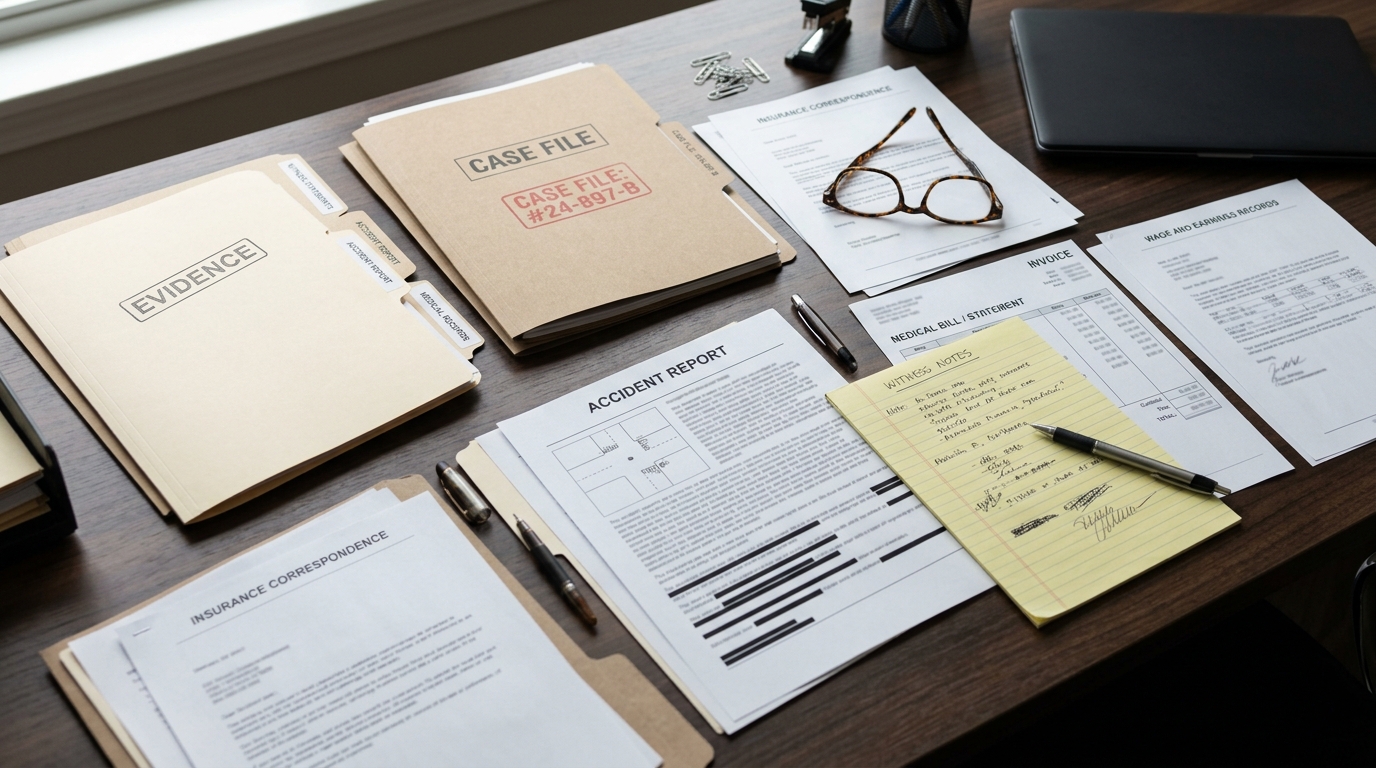
Useful categories include:
- Accident date and location
- Parties involved
- Insurance claim numbers
- Police or incident reports
- Photos and videos
- Witness information
- Medical records
- Medical bills
- Wage loss proof
- Property damage documents
- Insurance letters
- Digital evidence
- Physical evidence
- Lien letters
- Settlement offers
- Court documents
A simple folder system by date and evidence type can reduce confusion during claim review.
When Legal Guidance May Be Useful
Legal guidance may be useful when evidence is controlled by another party, surveillance footage may disappear, fault is disputed, injuries are serious, public property is involved, multiple defendants may be responsible, insurance coverage is unclear, or a lawsuit may be needed.
An evidence preservation review may require accident reports, photos, videos, witness details, medical records, insurance letters, preservation requests, wage documents, physical evidence, public records, and deadline tracking.
People researching local support may review a Farmingdale legal office location when looking for Long Island personal injury claim information.
FAQs About Evidence Preservation After a New York Accident
What evidence should be saved after an accident in New York?
Important evidence may include photos, videos, accident reports, witness names, medical records, medical bills, wage records, insurance letters, damaged property, surveillance footage, digital messages, and written notes about what happened.
How quickly should evidence be preserved after an accident?
Evidence should be preserved as soon as medical needs and immediate safety are handled. Video may be overwritten, property conditions may change, vehicles may be repaired, and witnesses may become harder to locate if too much time passes.
Why are medical records important in a personal injury claim?
Medical records help show diagnosis, treatment, symptom timing, injury progression, medical bills, work restrictions, and future care needs. They may also help connect the injury to the accident.
Can surveillance footage be lost before a claim is filed?
Yes. Many businesses, buildings, vehicles, and facilities overwrite video footage after a short period. Early preservation requests can be important when footage may show the accident, hazard, or events leading up to the injury.
Does preserving evidence matter if New York has a three-year injury deadline?
Yes. A lawsuit deadline may be longer than the practical window for preserving evidence. Video, witnesses, physical conditions, and digital records may disappear much sooner than the legal filing deadline.
Final Thoughts
Evidence preservation can strongly affect a New York personal injury claim. Photos, video, reports, medical records, witness information, insurance letters, wage proof, physical evidence, digital data, and preservation requests may all help explain what happened and how the injury affected the person involved. The strongest approach is to preserve evidence early, organize records carefully, avoid altering original files, track deadlines, and request time-sensitive evidence before it disappears.