The Story Behind Signature Recipes: How Family Traditions Become Restaurant Favorites
Some restaurant dishes become memorable because they are more than meals. They may represent family traditions, familiar flavors, carefully developed recipes, or years of cooking experience. When those recipes become part of a restaurant menu, they can help create an identity that customers recognize and return to.
Family-inspired restaurant recipes often combine traditional preparation with the practical demands of serving many guests consistently. A successful dish must taste familiar while also being prepared reliably from one visit to the next.
From homemade soups and pasta dishes to carefully prepared entrees and classic sides, signature recipes can become an important part of the dining experience. They give customers something specific to remember, recommend, and associate with a restaurant.
Key Takeaways
- Family recipes can give restaurants a distinctive culinary identity.
- Signature dishes often develop from recipes, techniques, and traditions passed through generations.
- Consistency is essential when a home-style recipe becomes a restaurant menu item.
- Familiar comfort foods can create strong connections between meals and memories.
- A diverse menu allows signature dishes to complement different tastes and dining occasions.
- Restaurant recipes can also become part of catering and group dining experiences.
Why Family Recipes Matter in Restaurant Cooking
Family recipes often carry a history that goes beyond a list of ingredients. They can reflect cooking traditions, personal preferences, and techniques developed through years of preparation.
When these recipes move from a home kitchen to a restaurant, several elements become important:
- Preserving the character of the original recipe
- Maintaining consistent preparation
- Selecting dependable ingredients
- Preparing food efficiently for larger numbers of guests
- Meeting customer expectations over time
The result can be a dish that feels familiar while still being distinctive enough to become associated with the restaurant.
How a Family Recipe Becomes a Restaurant Favorite
Not every family recipe becomes a signature restaurant dish. Several characteristics can help a recipe develop a following.
Distinctive Flavor
A memorable recipe usually has recognizable characteristics that distinguish it from similar dishes.
This could come from:
- A particular combination of herbs and spices
- A traditional sauce
- A specific cooking technique
- Carefully balanced flavors
- A distinctive preparation method
Consistent Preparation
Restaurant customers expect their favorite dishes to remain recognizable from visit to visit.
Consistency requires attention to:
- Ingredients
- Measurements
- Cooking times
- Preparation techniques
- Portion sizes
Customer Recognition
A dish can become a restaurant favorite when customers begin associating it with the dining experience.
Customers may:
- Recommend it to friends
- Order it repeatedly
- Choose it when returning
- Associate it with family occasions
Over time, these patterns can turn a recipe into part of a restaurant’s identity.
The Role of Homemade Soups in Restaurant Traditions
Soup is one category where family-style cooking traditions can translate particularly well into restaurant menus. A well-developed soup recipe can be served as an appetizer, side, or main component of a meal.
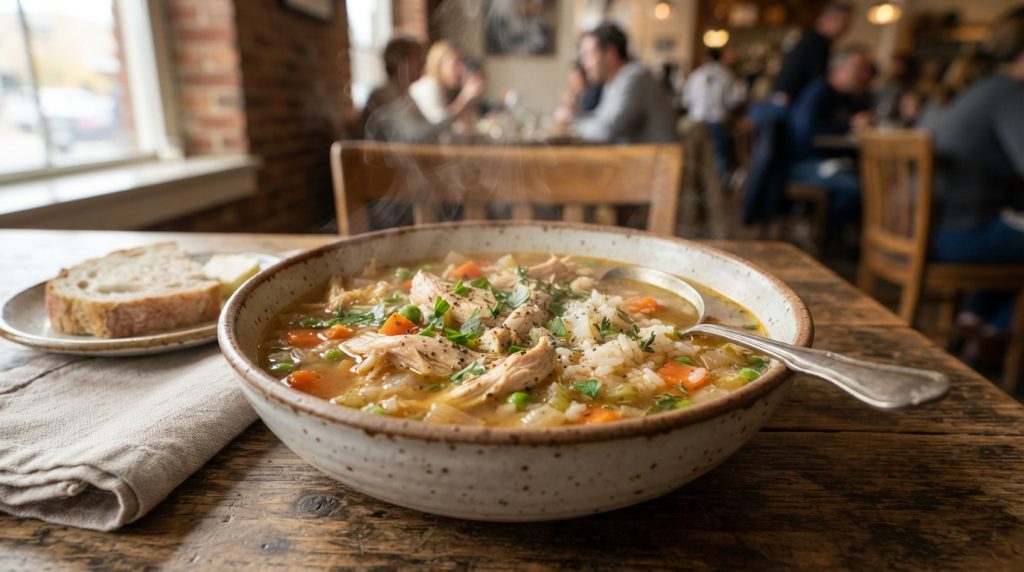
Chicken and rice soup, for example, combines familiar ingredients into a comforting dish that can appeal to a broad range of diners.
Some restaurant menus feature a signature baked chicken and rice soup alongside other soups and salads. A current dinner menu also lists several house-made food options, including chicken salad, marinara sauce, and other traditional dishes. (Demos’ Restaurants)
The famous baked chicken and rice soup is one example of how a distinctive soup can become part of a restaurant’s broader menu identity.
How Pasta Recipes Become Restaurant Favorites
Pasta provides another example of how traditional recipes can be adapted for restaurant service. Because pasta can be paired with different sauces, proteins, vegetables, and seasonings, it allows restaurants to offer variety while maintaining recognizable cooking traditions.
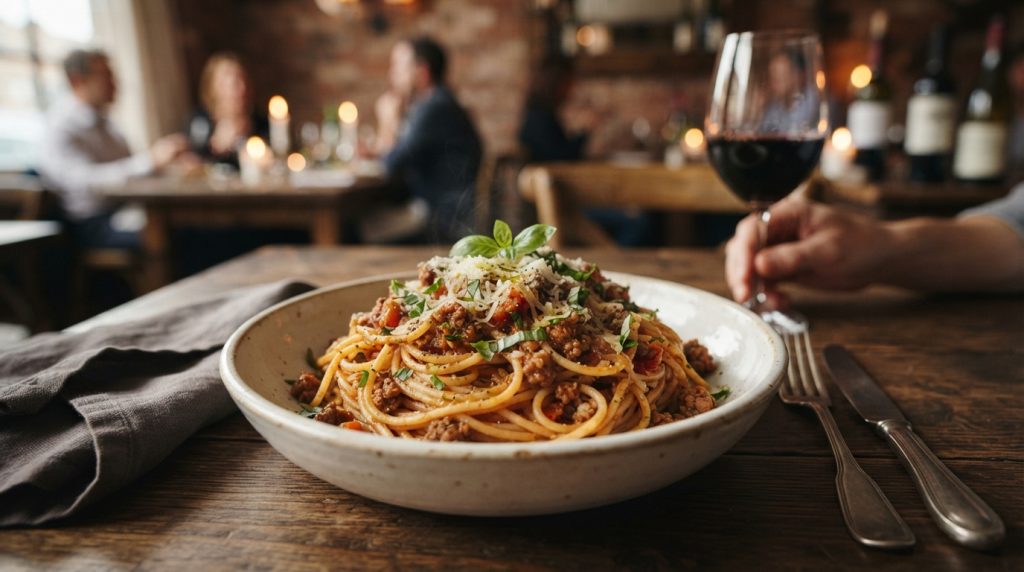
A restaurant pasta menu may include:
- Meat sauce spaghetti
- Marinara spaghetti
- Alfredo-based dishes
- Pesto combinations
- Meatball spaghetti
- Italian sausage spaghetti
- Mushroom pasta
- Baked lasagna
A current restaurant dinner menu includes multiple spaghetti variations as well as homemade baked lasagna, demonstrating how one broad food category can support numerous flavor profiles. (Demos’ Restaurants)
People specifically interested in a spaghetti restaurant may be looking for the familiarity of traditional pasta combined with a restaurant-prepared meal.
Why Traditional Comfort Foods Remain Popular
Comfort foods often have an important place in family dining because they are familiar, satisfying, and connected to memories.
Common examples include:
Chicken and Rice
Chicken and rice can combine simple ingredients into a filling and familiar meal.
Pasta and Sauces
Pasta provides a versatile foundation for traditional sauces and different proteins.
Meatballs
Meatballs can be prepared using family recipes and served with pasta, sauces, or as an appetizer.
Baked Dishes
Oven-baked meals can provide the hearty qualities many diners associate with home cooking.
These foods do not necessarily need to be complicated. Their appeal often comes from familiarity, consistency, and the associations people develop with them.
How Restaurant Menus Preserve Family Traditions
A restaurant menu can function as more than a list of available meals. It can preserve recipes and cooking ideas that might otherwise remain within a family.
Family traditions can appear through:
- Recipe names
- Preparation methods
- Signature sauces
- Ingredient combinations
- Stories connected to particular dishes
When customers repeatedly order these dishes, the recipes can become part of the restaurant’s shared history with its community.
The Balance Between Tradition and Restaurant Consistency
Turning a family recipe into a restaurant staple requires more than simply increasing the quantity of ingredients.
Restaurants must consider:
- Ingredient availability
- Food preparation processes
- Kitchen capacity
- Portion control
- Consistent cooking times
- Food safety procedures
The FDA Food Code provides model food safety standards for retail and food-service operations, including practices related to safe food handling and preparation.
Tradition provides the foundation, while consistent restaurant processes help ensure that customers receive a dependable experience.
How Signature Recipes Strengthen Restaurant Identity
A restaurant with recognizable dishes can develop a stronger culinary identity. Customers may associate particular flavors or meals with the restaurant even before they visit.
Signature recipes can help create:
- Recognition
- Repeat visits
- Word-of-mouth recommendations
- Customer traditions
- Distinctive menu identity
A signature dish does not have to be complicated. What matters is that customers remember it and connect it with the overall dining experience.
How Dishes Become Part of Family Dining Traditions
Food often becomes connected to important moments in people’s lives.
The Story Behind Signature Family Recipes
A particular restaurant dish may be associated with:
- Birthday dinners
- Family reunions
- Holiday meals
- Graduation celebrations
- Sunday dinners
- Regular family outings
These repeated experiences can give a recipe meaning beyond its ingredients.
For families, returning to a familiar restaurant and ordering familiar dishes can become a tradition in itself.
How a Diverse Menu Supports Signature Recipes
Signature dishes can be central to a restaurant’s identity without limiting the rest of the menu.
A well-rounded menu can combine:
- Signature family recipes
- Classic comfort foods
- Lighter options
- Grilled dishes
- Seafood
- Pasta
- Salads
- Desserts
This approach allows customers to return for familiar favorites while also giving them opportunities to try something different.
The current dinner menu, for example, spans appetizers, chicken, pasta, salads, steaks and chops, seafood, sides, and other categories. (Demos’ Restaurants)
Why Recipe Stories Add Meaning to Dining
A recipe becomes more memorable when diners understand that it has a story behind it. The story might involve family members, cooking traditions, a memorable occasion, or years of refinement.
These stories can help explain:
- Why a dish was created
- Where its preparation style originated
- Why customers continue ordering it
- How the recipe evolved
- What makes it distinctive
The story does not replace the food. Instead, it provides context that can make the dining experience more meaningful.
How Signature Recipes Can Extend Beyond the Restaurant
Some restaurant recipes can reach customers beyond the dining room.
Depending on the business model, signature foods may be available through:
- Takeout
- Catering
- Prepared foods
- Retail products
- Meal kits
- Shipped food items
This can allow customers to enjoy familiar flavors during gatherings or at home.
For group events, Demos catering services currently include pasta, lasagna, salads, hot entrees, appetizers, soups, sides, and beverages, showing how restaurant recipes can be adapted for larger gatherings. (Demos’ Restaurants)