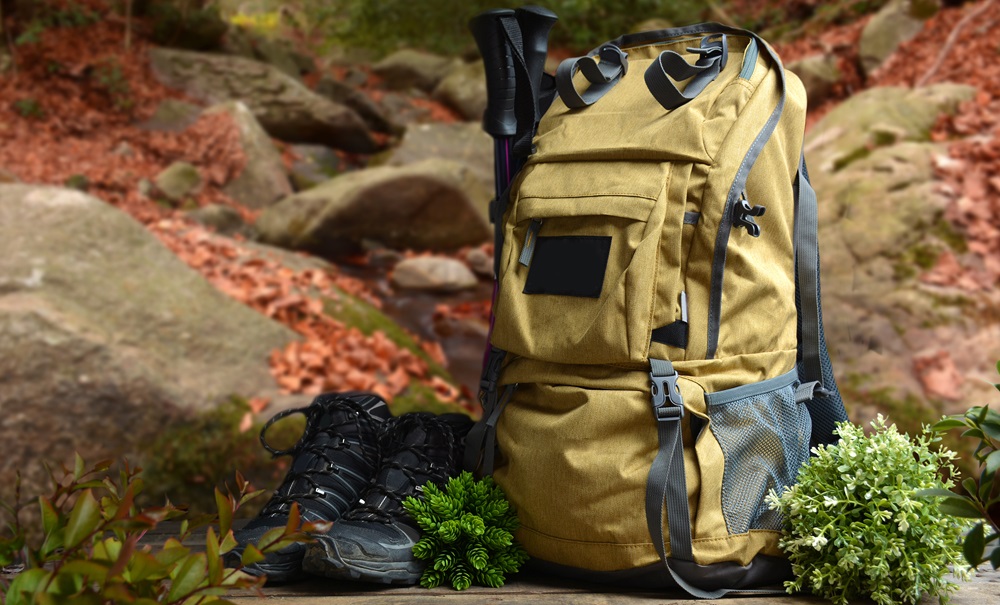
Who Benefits Most From Used Backpacking Gear For Outdoor Adventures
Backpacking needs good, strong and light equipment to be sure of comfort and safety. New equipment has a very high cost and it is not affordable by all the adventurers. Nowadays, a lot of outdoor lovers prefer using second hand goods to save their money and not to sacrifice quality.
What is more important than whether equipment is new or not is condition, functionality and suitability. The used backpacking gear has the potential to perform well as long as it is well checked and kept. Customers have to inspect wear, structural integrity, and fitness with their activities.
Efficient assessment reduces the risks of safety on trails. There is smart selection that leads to efficiency and comfort. Enlightened studies instill trust in buying behaviors. Properly selected equipment will improve the general experience of backpacking.
The Evaluation Of Equipment Status
Assessment of the state of the backpacking equipment is important in reliability and safety. Inspect tents regarding rips, holes or damaged water resistance. Inspection of sleeping bags because of insulation and clean lining.
The hiking backpacks are supposed to be structurally supportive and padded. Trekking poles should not have cracks and should move without any difficulties. The zippers, buckles, and straps must be effective. Cosmetic damage has no significant impact on performance and has to be taken into consideration.
Metal parts are supposed to be rust free and durable. Repairs can be used to fix minor problems. Detailed testing would provide gear with good performance in harsh outdoor environment. Proper estimation lowers the chances of hidden breakdowns during the long journeys.
Finding The Right Gear To Backpacking Needs
Gears are based on the length of the trip, the terrain, and the experience of the hikers. Worn-out backpacking equipment should suit the purposes and the outdoor environment. Pack size and weight capacity must match the needs of packing. There should be proper warmth and protection when sleeping.
The options of shelter should be based on weather and terrain. Shoes should allow long-range stability and comfort. Multi-use equipment will be flexible but has a possibility of losing specialty. Knowledge of individual requirements eliminates exhaustion and trauma.
The gear is chosen based on purpose, which increases safety and performance. Proper matching enhances productivity and pleasure. With the right equipment, the backpacking adventure would be more successful.
Economies Of Scale And Commonsense
Cost is a major cause of the second-hand equipment. The used backpacks are normally much cheaper as compared to new ones. Cosmetic wear may not alter performance and durability. Savings will enable one to invest in other necessities like navigation equipment, clothing or even food.
There are trade-offs that might be restricted warranty covers or slightly old-fashioned designs. Nevertheless, it is usually condition that matters than age. It can be fixed in case of minor maintenance and adjustment.
Value relies on the close examination and appropriateness to the desired purpose. The intelligent consumers will be able to have quality equipment without breaking the bank. Economical decisions are full of financial and operational advantages.
Checks Of Safety And Functionality
All backpacking gear must be checked in terms of safety. Check harnesses, helmets or protective equipment to check the integrity. Check zippers, buckles and locking. Check tents and safe assembling and weather protection shelters.
Shoes need to offer support and treading. Breakdowns of the functions may result in injuries or pain. Technical gear can be recommended to be evaluated by a professional.
Proper operation will ensure the security of the users and enhance reliability. Well treated used backpacking gear can be as safe as new ones. Post-testing reduces risk and enhances confidence.
Conclusion
It is important to plan before picking used backpacking gear because it requires careful consideration. Performance and safety are determined by condition, suitability, and functionality. Proper inspection minimizes the risk of finances and possible accidents.
The appropriate gear to the activity is a guarantee of being comfortable and efficient. Prior to each trip safety checks are necessary. Purchasing trusts are established through responsible sourcing. When money is saved, it can be used in other basic needs.
Well serviced equipment enhances fun and dependability in backpacking. Rational choices are the most valuable, useful and safe. The appropriate choice is a key to providing a good and effective experience of a backpacking.
Frequently Asked Questions
Why do adventurers choose used backpacking gear?
Ans: New equipment is often too expensive. Used gear allows adventurers to save money while still getting quality, functional, and suitable equipment for their trips.
What qualities are more important than newness in backpacking gear?
Ans: Condition, functionality, and suitability for the intended activity are paramount. Well-maintained used gear can perform as well as new items.
How should used backpacking equipment be evaluated for reliability and safety?
Ans: Inspect tents, sleeping bags, backpacks, and poles for damage. Check zippers, buckles, straps, and metal parts for function and rust-free durability.
How do you select used gear that matches specific backpacking needs?
Ans: Match gear to trip length, terrain, and experience. Consider pack size, shelter suitability, and shoe comfort and stability for optimal performance.
What are the key safety checks for used backpacking gear?
Ans: Verify the integrity of protective equipment (helmets, harnesses), check zippers and locks, ensure proper tent assembly, and confirm shoes offer adequate support.

Related Posts
Backpacking Tent on Rocky Ground: What Really Happens?
How to Clean Your Travel Daypack?