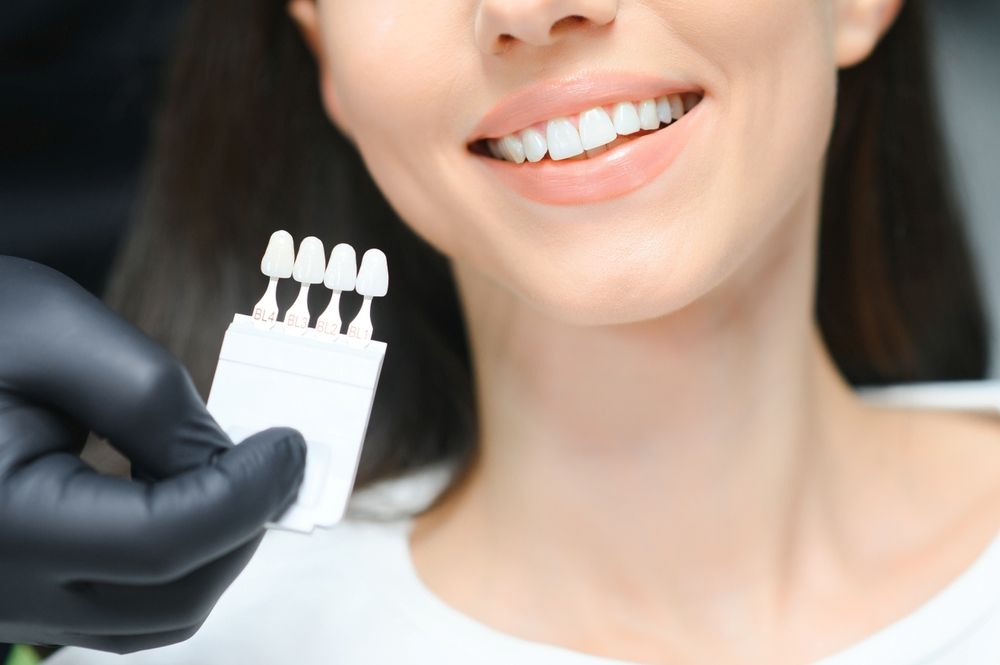
How Long Do Cosmetic Dentals Last?
You’re sitting in the dentist’s chair, excited about getting that perfect smile. But here’s what nobody tells you upfront: cosmetic dental work doesn’t last forever.
And if you live in Saskatchewan, the weather might affect your results more than you think.
Before you book an appointment with a cosmetic dentist in Saskatoon, you need to know what you’re signing up for and how long these procedures will actually stick around.
What Actually Determines How Long Your Dental Work Lasts?
The lifespan of cosmetic dentistry isn’t just about the procedure itself. Your daily habits play a huge role.
If you’re drinking coffee twice a day, smoking, or grinding your teeth at night, your results won’t last as long as someone who doesn’t.
Saskatchewan’s climate adds another layer to this. The extreme temperature swings—from -40°C winters to +35°C summers—can affect your dental work.
Your teeth expand and contract with temperature changes, and so do dental materials. It’s subtle, but over years, it matters.
Your oral hygiene routine is the biggest factor though. Brush twice daily, floss regularly, and see your dentist every six months. Do this, and you’ll get the most out of your investment.
Teeth Whitening: The Shortest-Lived Cosmetic Fix
Let’s start with the most popular option: teeth whitening. Professional whitening gives you dramatic results, but here’s the reality—it fades.
In-office whitening typically lasts between 6 months to 2 years. The wide range depends entirely on you.
Dark beverages like coffee, tea, red wine, and cola are the main culprits that stain your teeth again.
If you can’t give up your morning coffee (and honestly, who can?), expect to be on the shorter end of that timeline.
Take-home whitening kits from your dentist last about the same duration, though results might be slightly less dramatic initially. These kits give you more control and let you do touch-ups at home.
Over-the-counter whitening strips or toothpastes? They work, but results typically fade within 3 to 6 months. They’re cheaper but require more frequent reapplication.
Saskatchewan’s dry winter air can make your teeth more sensitive after whitening, so timing your procedure for spring or fall might be more comfortable.
| Whitening Method | Average Duration | Cost Range |
| In-office professional | 6 months – 2 years | $300 – $800 |
| Take-home dental kits | 6 months – 2 years | $200 – $500 |
| Over-the-counter products | 3 – 6 months | $20 – $100 |
How Long Can You Expect Dental Bonding to Hold Up?
Dental bonding is that middle-ground option. It’s affordable and can fix chips, gaps, or discoloration. The composite resin your dentist applies looks natural and works well for minor cosmetic issues.
Here’s what you can expect: bonding typically lasts 3 to 10 years. That’s a big range, and where you fall depends on several factors.
The location of the bonding matters. If it’s on a front tooth that doesn’t handle much chewing force, you might get closer to 10 years. But if it’s on a molar that grinds food daily, you’re looking at the shorter end—maybe 3 to 5 years.
Bonding is more porous than your natural tooth enamel, which means it stains easier. Coffee, tea, and berries will discolor bonded teeth faster than natural ones. You’ll notice the bonding looking yellower than your surrounding teeth over time.
Saskatchewan residents should know that bonding material can be affected by extreme cold. Drinking very hot beverages right after being outside in -30°C weather can cause microscopic cracks in the composite material over time. It won’t happen overnight, but it’s something to keep in mind.
Bonding can chip or break, especially if you bite your nails, chew ice, or open packages with your teeth. Treat it gently, and it’ll last longer.
Veneers: Your Long-Term Investment in a Perfect Smile
Now we’re talking serious commitment. Veneers are thin shells that cover the front of your teeth, and they’re the gold standard for a complete smile makeover.
Porcelain veneers last 10 to 15 years on average, though many people get 20 years out of them with proper care. Some studies show that over 90% of porcelain veneers are still functional after 10 years.
Why do they last so long? Porcelain is incredibly durable and resistant to staining.
It mimics the translucency of natural teeth better than any other material. The strong bond between the veneer and your tooth creates a solid unit.
Composite veneers are the budget-friendly alternative, lasting 5 to 7 years. They’re made from the same resin material as bonding but cover more of the tooth. They’re easier to repair if damaged but stain more easily than porcelain.
You can’t reverse veneers. Your dentist removes a thin layer of enamel to place them, which means once you get veneers, you’ll always need veneers. This is a lifetime commitment to maintaining them.
In Saskatchewan’s climate, the dry indoor heating during winter can cause slight dehydration in your teeth and gums.
This doesn’t damage veneers directly, but it can affect the gum tissue around them. Stay hydrated and consider using a humidifier at home during winter months.
What Can Make Your Cosmetic Dentist Work Fail Faster?
You need to know what kills cosmetic dental work. Teeth grinding (bruxism) is enemy number one.
If you grind your teeth at night, you’ll wear down bonding, crack veneers, and stain your whitened teeth faster. Get a night guard.
Acidic foods and drinks erode the materials. Lemon water, sports drinks, and soda all create an acidic environment in your mouth that weakens dental work over time.
Tobacco use not only stains everything but also affects your gum health, which can compromise how well veneers and bonding stay attached.
Skipping dental appointments means small problems become big ones. Your dentist can spot issues early and fix them before your cosmetic work fails completely.
Making Your Investment Last: Practical Care Tips
You’ve spent good money on your smile. Here’s how to protect it:
For whitening: Use a straw for dark beverages, rinse your mouth after eating, and do touch-up treatments every 6 months if needed.
For bonding: Avoid biting hard foods with bonded teeth, don’t use your teeth as tools, and get them polished during regular cleanings.
For veneers: Brush gently with a soft-bristled brush, use non-abrasive toothpaste, wear a night guard if you grind your teeth, and avoid chewing ice or hard candy.
Regular dental checkups every six months aren’t optional. They’re how you catch problems before they become expensive disasters.
Your dentist can spot wear patterns and make adjustments before complete failure.
The Bottom Line on Cosmetic Dental Longevity
Here’s the truth: nothing lasts forever, including your cosmetic dental work. Whitening gives you the shortest results but the lowest commitment.
Bonding offers a middle ground for minor fixes. Veneers provide the longest-lasting transformation but require the biggest investment upfront.
Factor in Saskatchewan’s extreme weather, your daily habits, and your commitment to oral hygiene.
When you consult with a cosmetic dentist in Saskatoon, ask specific questions about maintenance and realistic timelines for your situation.
The more informed you are, the better decisions you’ll make about which procedure fits your life and budget.