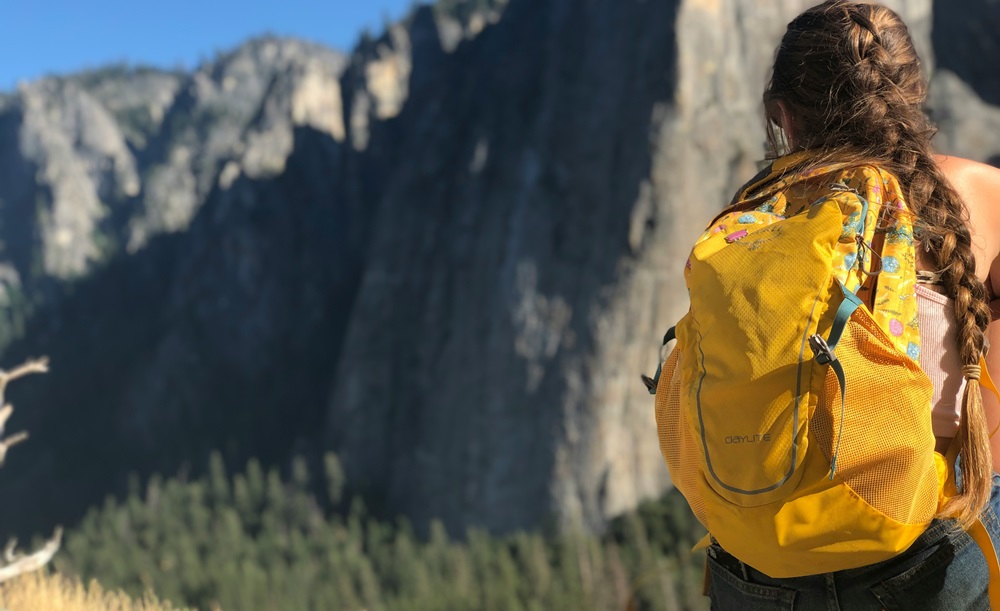
How to Clean Your Travel Daypack?
Your daypack for travel takes a beating during international trips. It collects sweat, dirt, bacteria, and smells from cramped hostel rooms, street food markets, and airport floors. A dirty pack doesn’t just smell bad-it can harbor mold, bacteria, and even bedbugs that you don’t want bringing home.
Most travelers toss their pack in a closet after landing and forget about it. That’s a mistake. A 2019 study from the University of Arizona found that travel bags carry more bacteria per square inch than the average toilet seat. Your pack needs proper cleaning, and it’s easier than you think.
What happens if you don’t clean your daypack after trips?
Skip cleaning your pack and you’re asking for problems. Bacteria multiply fast in humid, dark conditions. Within days, that damp smell becomes permanent. Mold can grow on fabric and straps, breaking down the material and causing health issues if you have allergies or asthma.
The longer dirt and oils sit on your pack, the harder they are to remove. Salt from sweat corrodes zippers and buckles. Sand and grit work into seams and abrade the fabric from inside. You’re basically shortening your pack’s life by years.
Bedbugs are another real concern. Hotels and hostels worldwide deal with infestations. Your pack sits on floors, beds, and luggage racks where these pests hide. Bringing them home means expensive extermination and throwing out furniture.
How do you properly hand-wash a daypack for travel?
Most daypacks can’t go in washing machines. The agitation damages straps, rips seams, and crushes padding. Hand-washing takes 30 minutes and protects your investment.
First, empty every pocket and compartment. Shake out crumbs, dirt, and debris. Check for forgotten items like receipts, coins, or snacks. Turn the pack inside out if possible.
Fill a bathtub or large basin with lukewarm water. Add two tablespoons of mild detergent-dish soap or laundry detergent both work. Avoid bleach or harsh chemicals that break down nylon and polyester.
Submerge the pack completely and let it soak for 15 minutes. This loosens dirt and kills most bacteria. Use a soft brush or cloth to scrub dirty areas like the bottom, straps, and back panel where sweat accumulates.
Pay special attention to zippers. Work the brush gently along the teeth to remove grit. Zippers fail when dirt prevents them from closing properly.
Drain the soapy water and refill with clean water. Rinse the pack thoroughly until no suds remain. Soap residue attracts dirt and can irritate your skin on future trips.
Gently squeeze out excess water. Never wring or twist the pack-this damages internal frames and padding.
What’s the right way to dry your pack without damage?
Drying matters as much as washing. Trapped moisture causes mold and odors within 24 hours.
Hang your pack upside down in a well-ventilated area. Open all compartments and pockets so air circulates freely. A covered porch or bathroom with a fan works well.
Keep the pack away from direct sunlight and heat sources. UV rays fade colors and weaken fabric. Radiators, dryers, and hair dryers melt synthetic materials and glue that holds seams together.
Drying takes 24 to 48 hours depending on humidity. Check inside pockets and padded areas-these dry slowest. The pack should feel completely dry to the touch before storage.
How can you remove stubborn odors from your daypack?
Sometimes washing isn’t enough. Odors stick to fabric fibers, especially in packs that held sweaty gym clothes or wet gear.
Baking soda neutralizes smells naturally. Sprinkle half a cup inside the dry pack, close all zippers, and let it sit overnight. Shake out the powder in the morning. Repeat if needed.
White vinegar works for tougher smells. Mix one part vinegar with three parts water in a spray bottle. Mist the inside of your pack lightly and let it air dry. The vinegar smell disappears as it dries, taking other odors with it.
For serious mold smells, try enzyme cleaners made for sports equipment. These break down organic compounds that cause odors. Follow the product instructions carefully.
Activated charcoal bags absorb moisture and smells. Leave one inside your stored pack to keep it fresh between trips.
When should you spot-clean instead of full washing?
Not every trip requires a complete wash. Spot-cleaning handles minor dirt and saves time.
Mix a small amount of detergent with water to make a cleaning solution. Dip a cloth in the mixture and wring it out well. Wipe down dirty areas like the bottom panel, shoulder straps, and handle.
Spot-cleaning works well after weekend trips or when you only used the pack in clean environments. It’s also good for packs with leather details or special coatings that shouldn’t get fully soaked.
How do you sanitize your daypack without chemicals?
Sunlight is a natural sanitizer. UV light kills bacteria, viruses, and mold spores. After washing, hang your pack in direct sun for two to three hours. Turn it occasionally so all surfaces get exposure.
Steam cleaning also works. Hold a garment steamer six inches from fabric surfaces and move it slowly across the material. Steam kills 99.9% of bacteria and dust mites without chemicals. Be careful with delicate fabrics and avoid getting too close.
Freezing kills some pests and bacteria. Place your pack in a large plastic bag and freeze it for 48 hours. This won’t clean dirt but helps with odor-causing bacteria and can kill bedbug eggs.
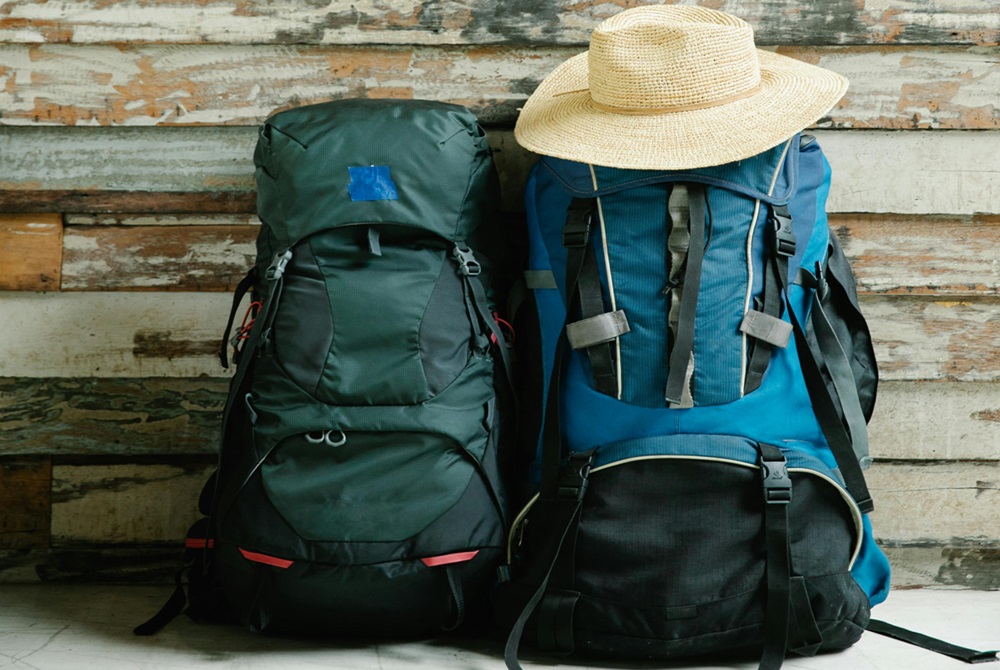
What maintenance extends your daypack’s lifespan?
Regular care prevents major problems. After each trip, wipe down your pack with a damp cloth even if you’re not doing a full wash. Remove dirt before it sets in.
Check zippers, buckles, and straps every few months. Apply zipper lubricant (or a graphite pencil rubbed along the teeth) to keep them sliding smoothly. Tighten loose strap adjusters and replace frayed webbing before it fails.
Store your pack properly between trips. Keep it in a cool, dry place away from sunlight. Stuff it loosely with newspaper or bubble wrap to maintain shape. Don’t compress it under heavy items.
Waterproofing treatments wear off over time. Reapply DWR (durable water repellent) spray annually if your pack has a water-resistant coating. This keeps moisture out and makes cleaning easier since dirt doesn’t penetrate fabric.
FAQs
Can you put a daypack in the washing machine?
Check the manufacturer’s tag first. Most brands recommend hand-washing because machines damage frames, padding, and straps. If the tag says machine-safe, use cold water on gentle cycle and remove all frames and stays.
How often should you wash your travel daypack?
Wash after every international trip or once every three months if you use it daily. Spot-clean between washes and always clean after exposure to spills, food, or questionable surfaces.
What kills bacteria on backpacks?
Hot water above 140°F kills most bacteria, but it also damages pack materials. Use warm water with detergent instead. For extra sanitizing, add half a cup of white vinegar to the wash water or use UV sunlight exposure.Taking care of your daypack for travel isn’t complicated. A simple wash after each major trip keeps your gear clean, functional, and ready for the next adventure. Your pack will last longer, smell better, and protect your health along the way.

Related Posts

Need Scrubs Right Now?

What Makes Medical Uniforms Maternity-Friendly?