
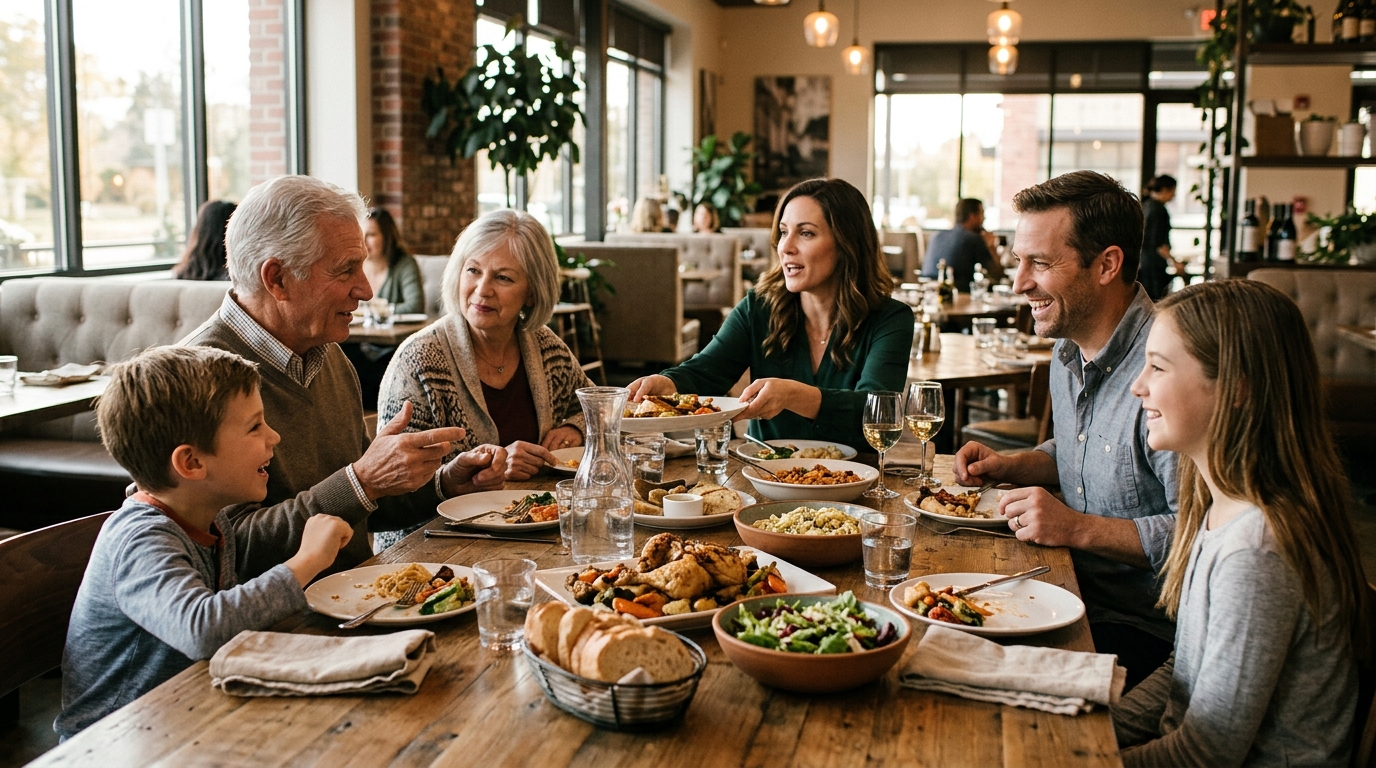
Why Families Prefer Sit-Down Restaurants Over Fast Food
Choosing where to eat as a family involves more than finding a quick meal. While fast food offers speed and convenience, sit-down restaurants provide an opportunity to slow down, enjoy a prepared meal, and spend meaningful time together. For families, the dining experience often includes conversation, menu variety, comfortable seating, and a setting that accommodates different ages and preferences.
Sit-down restaurants can be particularly appealing for weekend dinners, family celebrations, and occasions when everyone wants to gather around the same table. From a relaxed atmosphere to a wider selection of meals, these restaurants offer benefits that go beyond convenience. Understanding the differences between sit-down dining and fast food helps families choose the experience that best fits their needs.
Key Takeaways
- Sit-down restaurants provide a dedicated setting for families to share meals and conversations.
- Menu variety can help accommodate different tastes and preferences within one family.
- Table service allows diners to enjoy meals without managing every part of the ordering process themselves.
- Comfortable seating and a relaxed atmosphere can make longer family meals more enjoyable.
- Sit-down dining can be suitable for everyday dinners, celebrations, and family gatherings.
- Fast food remains useful for quick meals, while sit-down restaurants offer a different type of dining experience.
- The best choice depends on the occasion, available time, budget, and family preferences.
What Is the Difference Between Sit-Down Restaurants and Fast Food?
Sit-down restaurants and fast-food establishments serve different dining needs. Fast food generally prioritizes speed, streamlined ordering, and quick service. Sit-down restaurants typically emphasize table service, a more extended meal experience, and an environment where guests can relax while enjoying their food.
The main differences involve service style, atmosphere, meal pacing, and the overall experience.
| Feature | Sit-Down Restaurants | Fast-Food Restaurants |
| Service style | Often includes table service | Commonly uses counter or digital ordering |
| Dining pace | Usually more relaxed | Generally designed for quicker meals |
| Atmosphere | Often designed for conversation and longer visits | Typically emphasizes convenience and turnover |
| Menu experience | May offer a broader range of entrees and courses | Often focuses on a streamlined menu |
| Group dining | May accommodate family gatherings and celebrations | Can suit casual, informal group meals |
| Occasion | Everyday dinners, celebrations, and social gatherings | Quick lunches, snacks, and meals on the go |
Neither format is automatically better for every situation. The difference lies in what customers want from a particular meal.
Why Families Appreciate the Sit-Down Dining Experience
Family meals can be an important opportunity to reconnect after busy schedules. Sit-down restaurants create a setting where family members can spend time together without immediately needing to leave once their food is ready.
A traditional table-service experience may allow families to settle in, review the menu, discuss their choices, and enjoy their meals at a comfortable pace.
More Time for Conversation
A shared meal can create space for conversations that are difficult to fit into a busy day. Parents and children can talk about school, work, hobbies, and upcoming plans while enjoying their food.
The restaurant environment also gives families a change from their usual routines, making an ordinary dinner feel like a small occasion.
A More Relaxed Meal
Families do not always want to prioritize speed. On weekends or during special outings, they may prefer a restaurant where they can sit comfortably and enjoy the experience without feeling rushed.
The ability to settle into a table can make dining more enjoyable, particularly when several family members are eating together.
How Menu Variety Helps Families Choose Where to Eat
Families rarely have identical food preferences. Children may prefer familiar dishes, while adults may want different entrees, appetizers, or sides. Other family members may have dietary restrictions or specific ingredient preferences.
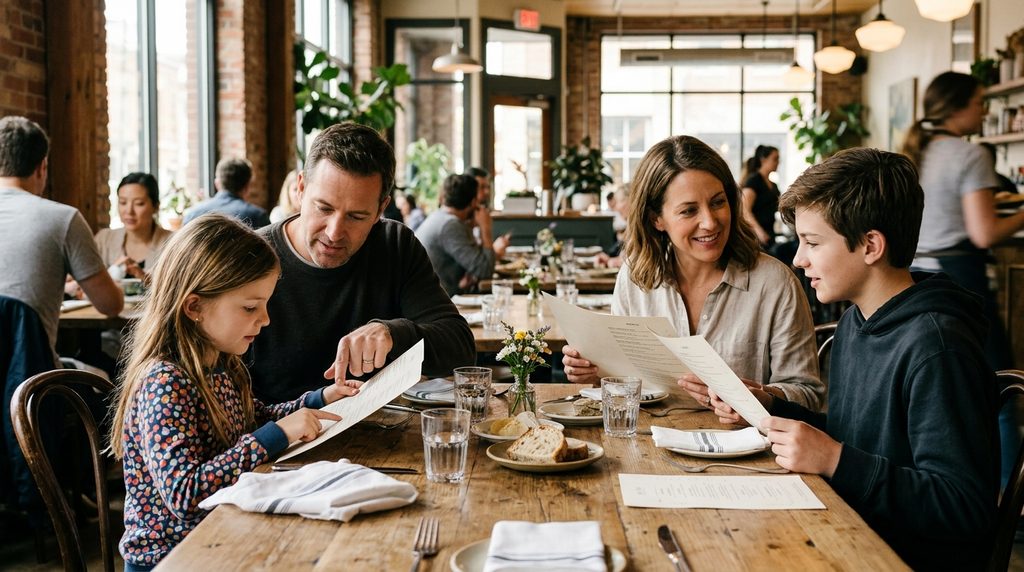
A sit-down restaurant with a varied menu can make it easier for everyone to find something suitable.
Useful menu features may include:
- A range of entrees and side dishes.
- Appetizers that family members can share.
- Different portion and meal combinations.
- Vegetarian or other dietary options where available.
- Desserts and beverages for a more complete dining experience.
Families searching for sit down restaurants near me may benefit from reviewing the menu in advance to determine whether the available choices suit the entire group.
Why Table Service Can Make Family Dining Easier
Table service can reduce the amount of coordination required during a family meal. Rather than having each person manage separate orders at a counter, the group can usually order together and receive assistance from restaurant staff.
This can be helpful when dining with children, older relatives, or larger groups.
Assistance With Menu Choices
Restaurant staff may be able to explain menu items, clarify ingredients, and describe available substitutions. This helps customers make more informed choices before placing an order.
Guests with allergies or medically necessary dietary restrictions should communicate their needs clearly and confirm relevant ingredients and preparation procedures directly with the restaurant.
A More Coordinated Group Experience
When a family orders together at one table, it can be easier to organize the meal, request additional items, and address questions as they arise.
The exact experience depends on the restaurant’s service model, staffing, and menu, but attentive service can make group dining more convenient.
How Sit-Down Restaurants Accommodate Different Generations
Family outings often involve people of different ages. Young children, teenagers, parents, and grandparents may have different expectations for a restaurant visit.
A suitable sit-down restaurant can provide a shared setting where these preferences are easier to accommodate.
Families may consider:
- Comfortable seating for different age groups.
- Menu choices that appeal to children and adults.
- Accessibility for guests with mobility needs.
- Noise levels that support conversation.
- Seating arrangements suitable for the group size.
A restaurant that accommodates several generations can become a dependable choice for family dinners and recurring gatherings.
Why Atmosphere Matters When Families Dine Out
The atmosphere influences how people experience a meal. Lighting, seating, background noise, cleanliness, and interior design can all affect whether guests feel comfortable.
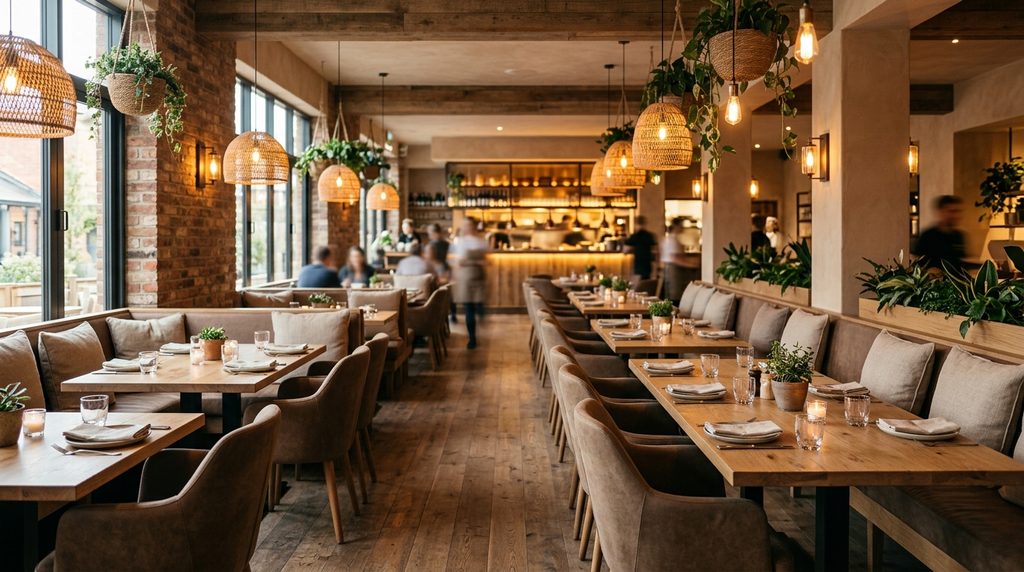
Sit-down restaurants often provide an environment intended for guests to remain at the table while enjoying food and conversation.
Comfort and Convenience
Comfortable seating and an organized dining area can make a difference when families expect to spend more time together. Parents may appreciate having enough space for children, while larger groups may need tables that allow everyone to sit together.
A Setting for Shared Experiences
A restaurant can provide a neutral gathering place for relatives who do not live in the same household. Instead of preparing a meal at home, family members can meet at one location and share the experience.
For many families, this convenience is an important part of choosing a sit-down restaurant.
When Sit-Down Restaurants Are Better Suited to Family Occasions
Different dining situations call for different experiences. Fast food can be practical when time is limited, but a sit-down restaurant may be more appropriate when the meal itself is part of the occasion.
| Occasion | Why Sit-Down Dining May Be Suitable |
| Weekend family dinner | Provides time to relax and reconnect |
| Birthday celebration | Creates a shared setting for a special meal |
| Family reunion | May offer seating and menu choices for a larger group |
| Graduation dinner | Provides a setting for celebrating an achievement |
| Holiday gathering | Allows relatives to meet without preparing every dish at home |
| Casual family outing | Offers a change from regular routines |
The suitability of a restaurant depends on group size, reservations, available seating, menu options, and the atmosphere the family prefers.
Can Sit-Down Restaurants Offer a Casual Dining Experience?
Sit-down dining does not have to mean formal dress codes, elaborate meals, or expensive menus. Casual restaurants can provide table service and a relaxed atmosphere without making the visit feel like a formal occasion.
A casual dining experience may combine familiar food, comfortable seating, approachable service, and a menu that suits different preferences.
This style of dining can work well for families who want to enjoy a restaurant meal without the formality of fine dining.
The most suitable restaurant is one that matches the group’s expectations, whether the goal is a quick family dinner, a leisurely weekend meal, or a celebration.
How Families Can Balance Convenience, Cost, and Experience
Choosing between fast food and a sit-down restaurant often comes down to practical considerations. Families may need to balance their schedules, budgets, and expectations for the meal.
Before deciding, consider:
- Time: How much time is available for the meal?
- Budget: What is the expected cost per person, including beverages, taxes, and tips where applicable?
- Menu: Can everyone find a suitable meal?
- Group size: Is there enough seating for everyone?
- Purpose: Is the meal primarily about convenience or spending time together?
Fast food can be the practical choice when speed is the priority. Sit-down restaurants can offer greater value for families who want a more extended dining experience. The right option depends on the circumstances rather than one format being universally preferable.
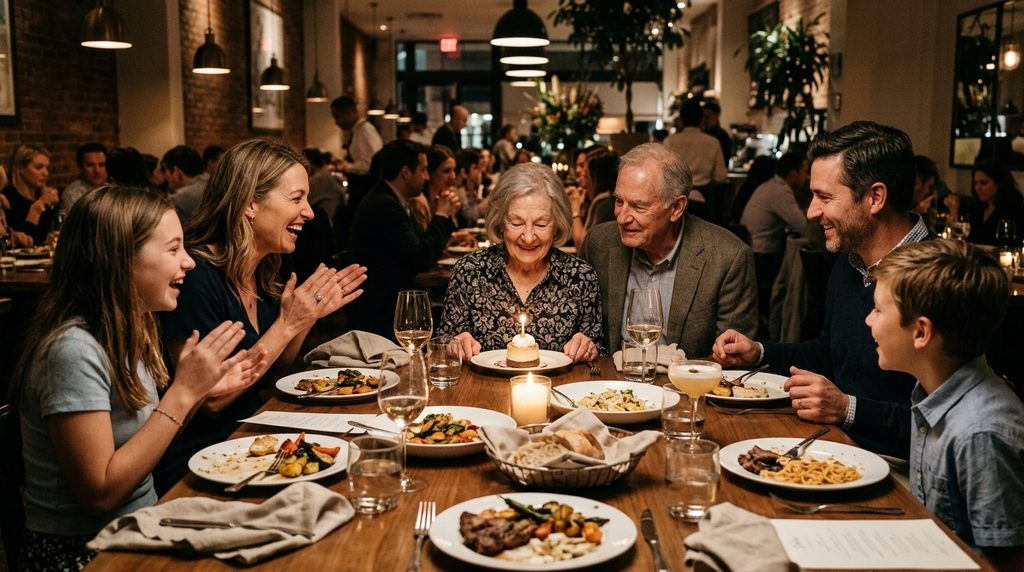
How to Choose a Sit-Down Restaurant for Family Dining
A little planning can help families find a restaurant that fits their needs.
Review the Menu Before Visiting
Checking the menu online helps families assess meal choices, prices, and dietary information. This is especially useful when several people have different preferences.
Check Seating and Reservations
For larger groups or popular dining periods, contacting the restaurant in advance can help confirm whether suitable seating is available.
Consider Accessibility and Comfort
Families should account for mobility requirements, children’s needs, and the comfort of older relatives when selecting a location.
Match the Restaurant to the Occasion
An informal family dinner may call for a casual environment, while a milestone celebration may require more space or a different atmosphere.
A suitable restaurant combines practical convenience with the type of experience the family wants to enjoy.
Frequently Asked Questions
Why do families choose sit-down restaurants instead of fast food?
Families may prefer sit-down restaurants because they provide table service, a comfortable environment, and more time for conversation. Depending on the restaurant, menu variety and seating arrangements may also make it easier to accommodate different preferences during a shared meal.
Are sit-down restaurants better for family gatherings?
They can be a good choice for family gatherings because many offer table service, group seating, and varied menus. However, suitability depends on the restaurant’s capacity, atmosphere, pricing, and ability to accommodate the group’s needs.
What should families look for in a sit-down restaurant?
Families should consider menu variety, seating comfort, service, accessibility, location, and budget. Checking current menus and contacting the restaurant about group arrangements can help prevent surprises during the visit.
Is casual dining suitable for families with children?
Many casual dining restaurants can suit families with children because they may offer approachable menus, comfortable seating, and a relaxed atmosphere. Parents should review the menu and environment to determine whether a particular restaurant meets their family’s needs.
Is sit-down dining always more expensive than fast food?
Not necessarily, although the total cost may be higher depending on the restaurant, meal choices, beverages, taxes, and tips. Families can compare menus and prices before visiting to determine which option best fits their budget.
Conclusion
Sit-down restaurants offer families an alternative to fast food by emphasizing table service, comfortable dining, menu variety, and opportunities to spend time together. These features can make them particularly suitable for weekend dinners, family gatherings, and special occasions.
Fast food remains useful when speed and convenience are the main priorities. However, when families want to slow down, enjoy a shared meal, and make the dining experience part of the occasion, a sit-down restaurant may be the better fit.
The best choice ultimately depends on the family’s budget, schedule, food preferences, and expectations. By considering these factors, families can select a dining experience that works for everyone.
